Shipibo Lineage and Icaros: What They Are and Why They Matter
What icaros actually do in ceremony, who the Shipibo are, the healer families behind Peru's centers, the Mestizo distinction, and how to vet lineage.
 By Luis Quispe, Peru-based retreat facilitator
The first thing that surprises people about an ayahuasca ceremony is usually not the visions. It is the singing. For hours, in the dark, the curandero sings, and the songs are not background; they are the instrument the whole night is played on. Those songs are icaros, and in the Shipibo tradition they are the core technology of the work, learned over years of plant dietas the way a surgeon learns anatomy.
Guests reviewing Peru retreats have learned to hear the difference. In the 2026 r/Ayahuasca recommendation thread, the single most-praised center earned this line: "The Icaros are world class." Understanding why that sentence means something, and what lineage actually is, will make you dramatically better at telling real centers from decorated ones.
What is an icaro?
An icaro is a medicine song, sung or whistled by a curandero during ceremony to direct the work: opening the space, calling effects in or turning them down, working on individual guests one at a time. In ceremonies I have sat in and supported, the practical reality is exactly that unmystical: when a guest is in difficulty, the healer goes to them and sings, and the song is the intervention.
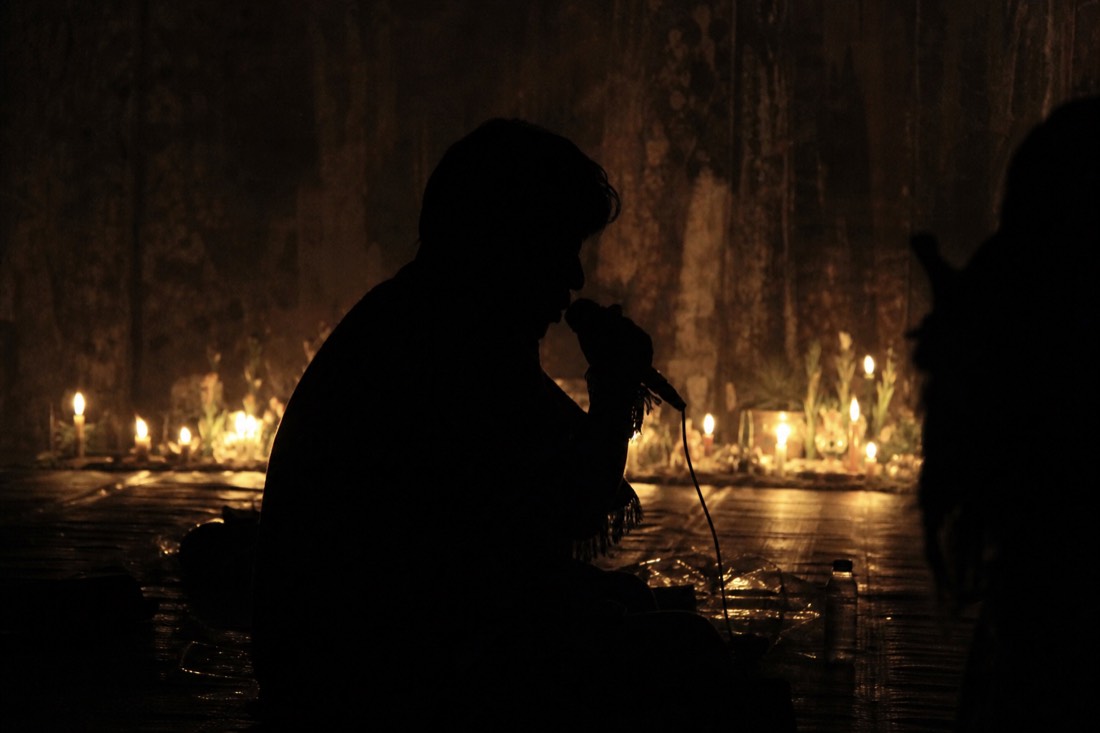
In the Shipibo understanding, icaros are received rather than composed: a healer learns them from the plants themselves during long dietas, and a mature maestro carries a personal repertoire built across decades. A ceremony's whole arc runs on them, from the songs that open the space, through the ones sung to the group, to the quiet individual icaros delivered at a single guest's mat. This is why the community treats icaros as a credential you can hear. A healer's songs reflect the depth of their training the way a musician's playing reflects their ten thousand hours, and experienced guests genuinely evaluate centers this way.
Who are the Shipibo?
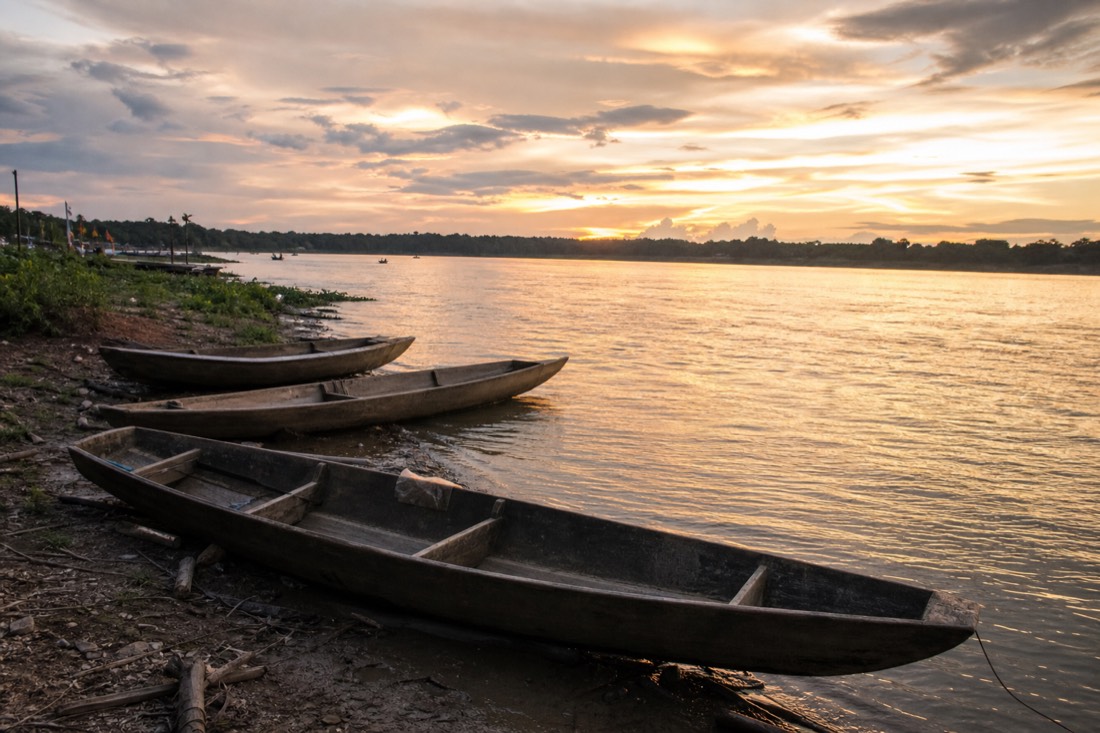
The Shipibo, often Shipibo-Conibo, are an indigenous Amazonian people whose heartland is the Ucayali river region around Pucallpa. Within Peru's ayahuasca world they are the most renowned healing tradition, with knowledge passed through family lines: healers train their children and grandchildren, and a maestro's lineage is spoken of the way academies speak of who trained under whom.
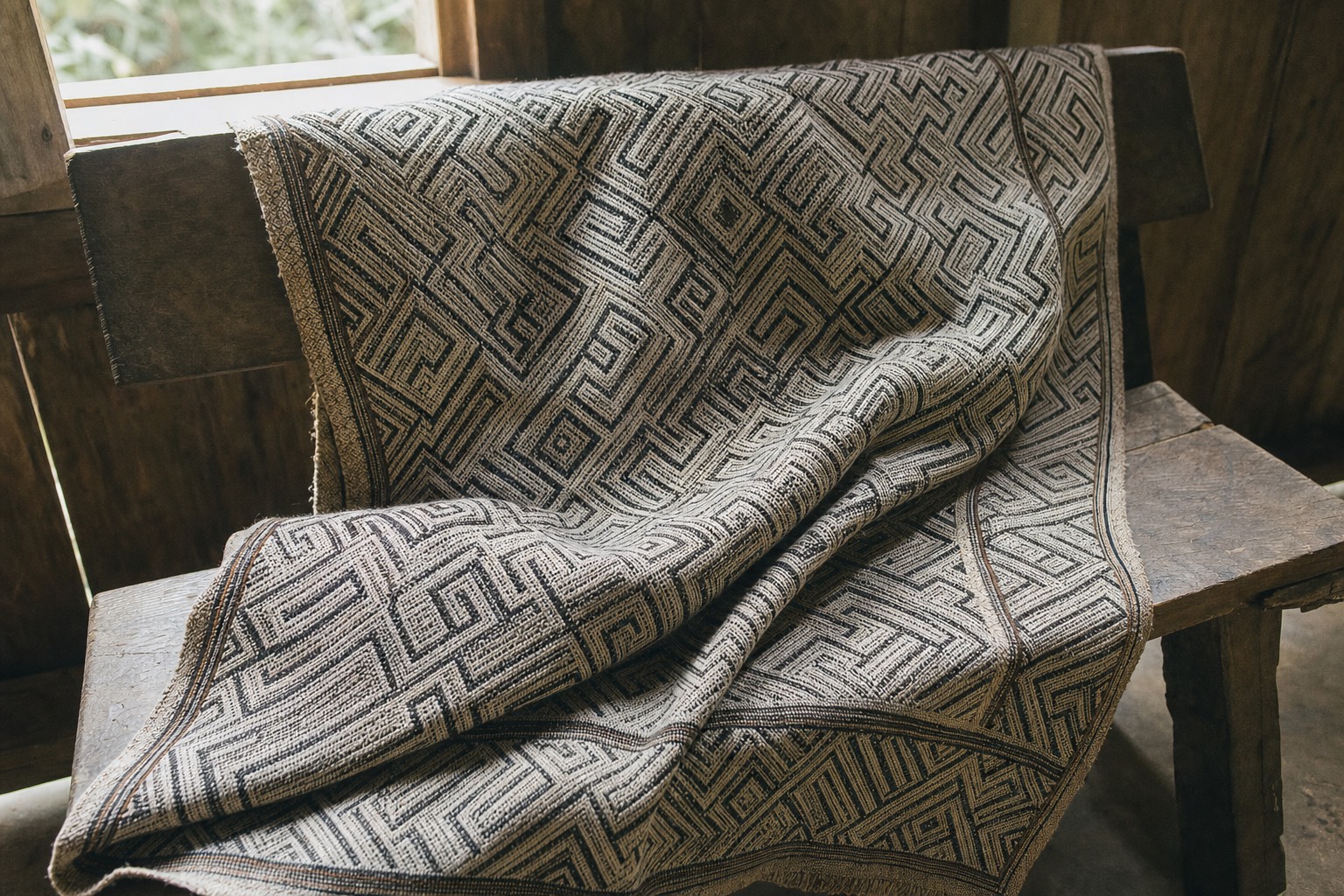
Their visual art carries the same system: the geometric patterns on Shipibo textiles are widely described as visual renderings of icaros, songs made visible. When Peru's government declared traditional ayahuasca knowledge part of the National Cultural Heritage in 2008, the traditions it moved to protect are the ones these families carry. That is also why so many retreat centers, including ones run by foreigners, advertise Shipibo healers: the name is the strongest brand in the medicine world, which is exactly why you should check what stands behind it at any given center.
Which healer families are behind Peru's centers?
At the best centers, lineage is not a vibe but a set of names you can trace. Nihue Rao Centro Espiritual near Iquitos is tied to the Amaringo and Munoz families, and runs the long master plant dietas through which that knowledge is actually transmitted. Niwe Rao Xobo, a family center in the Yarinacocha area of Pucallpa, is run by the family of Maestra Ynes Sanchez and keeps to a traditional evening ceremony format with a brew of pure nixi and chacruna.
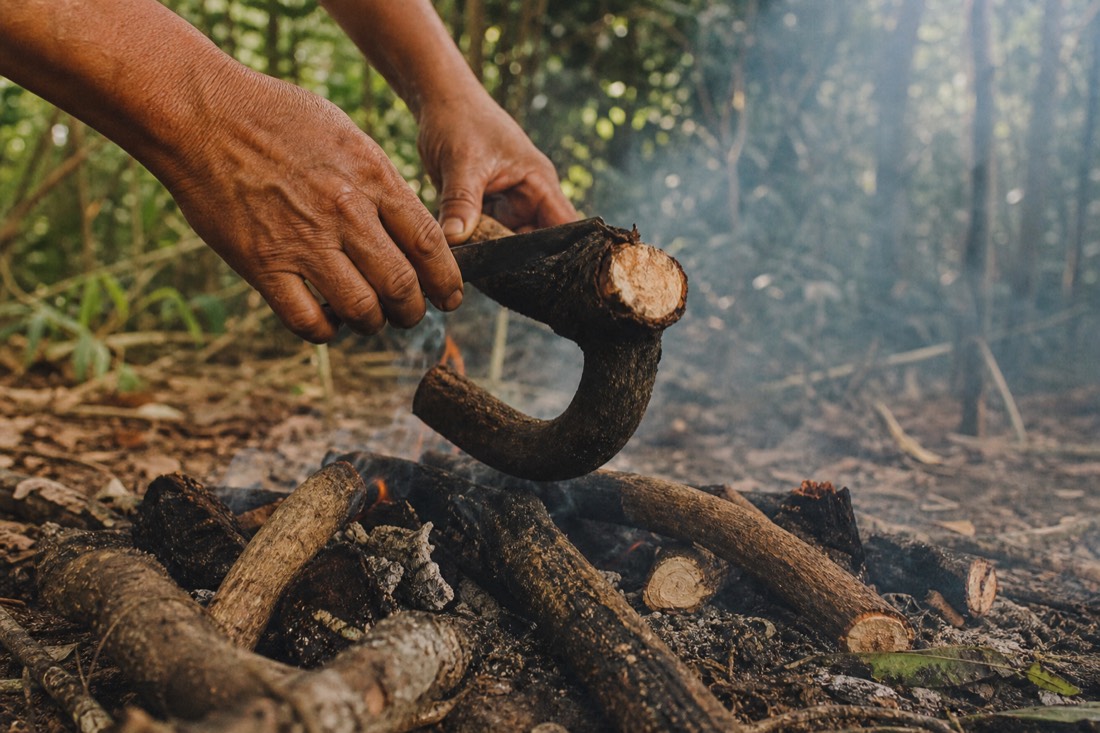
These names are not trivia. Ayahuasca tourism has a real cost side for the communities that carry the tradition; the 2018 killing of Olivia Arevalo, an 81-year-old Shipibo healer, by a foreign visitor in Ucayali, reported by the Guardian, became a grim marker of what the unregulated boom can bring to the people at its center. Choosing centers where the healer families own the work, and the land, is one of the few levers a visitor has.
Dreamglade's ceremonies are held by Maestra Dominga and Maestro Raul, a husband-and-wife team from a Pucallpa family lineage of more than 40 years. And Onikano, the most-recommended center in the 2026 Reddit thread, is owned by Maestro Heberto Garcia and his family on their own land; the guest who called its icaros world class said in the same post: "I chose them because Maestro Heberto Garcia and his family personally own the land and the retreat and they have authentic Shipibo lineage." Note our tiers here: Nihue Rao and Dreamglade are site-verified, Onikano rests on community testimony, and the Temple of the Way of Light works with multiple advanced Shipibo-Conibo healers, women and men, at institutional scale.
Is Mestizo tradition fake Shipibo? No, and the difference matters
Peru's other great current is the Mestizo tradition: curanderismo as practiced by mixed-heritage riverside communities, absorbing Amazonian plant knowledge into its own lineage of teachers and dietas. It is not diluted Shipibo practice; it is a parallel tradition with its own history, and some of the country's most respected healing work sits inside it. Takiwasi in Tarapoto, known for addiction treatment, works in a Mestizo therapeutic frame.
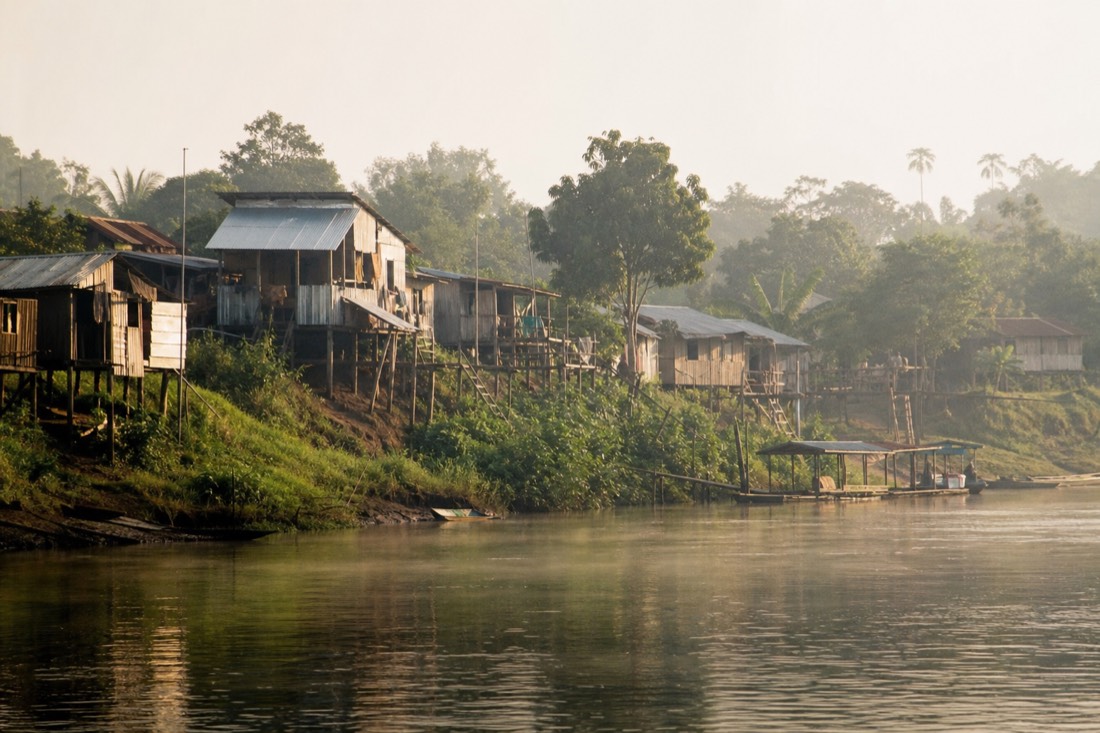
Our featured center is a working example. AyaSelva near Iquitos is explicitly Mestizo, not Shipibo: its curandero Arnaldo was raised in Tamshiyacu in that lineage, and co-founder Vanesa's own healing at seventeen happened under a Mestizo maestro. The center says so plainly rather than borrowing the better-known label, which is precisely the honesty you want. Contrast that with a third category: operations under a non-indigenous "master shaman," like Blue Morpho under Hamilton Souther, an American practicing since 2002 with major media coverage. That model has thousands of satisfied guests and is not automatically a scam, but it is a different thing, and Reddit's recurring "gringo operator versus indigenous lineage" worry exists because some centers blur the difference on purpose.
Why does lineage matter when you vet a center?
Because it is the closest thing this unregulated industry has to a verifiable credential. Peru licenses no shamans; anyone can print "authentic Shipibo healer" on a website. The recurring fear in guest communities, justified by experience, is the fake shaman: someone with a brew, a maloca and a marketing budget, holding ceremonies they are not trained to hold. When Reddit veterans list what made their retreats good in hindsight, an authentic lineage curandero with ten or more years of practice tops the list.
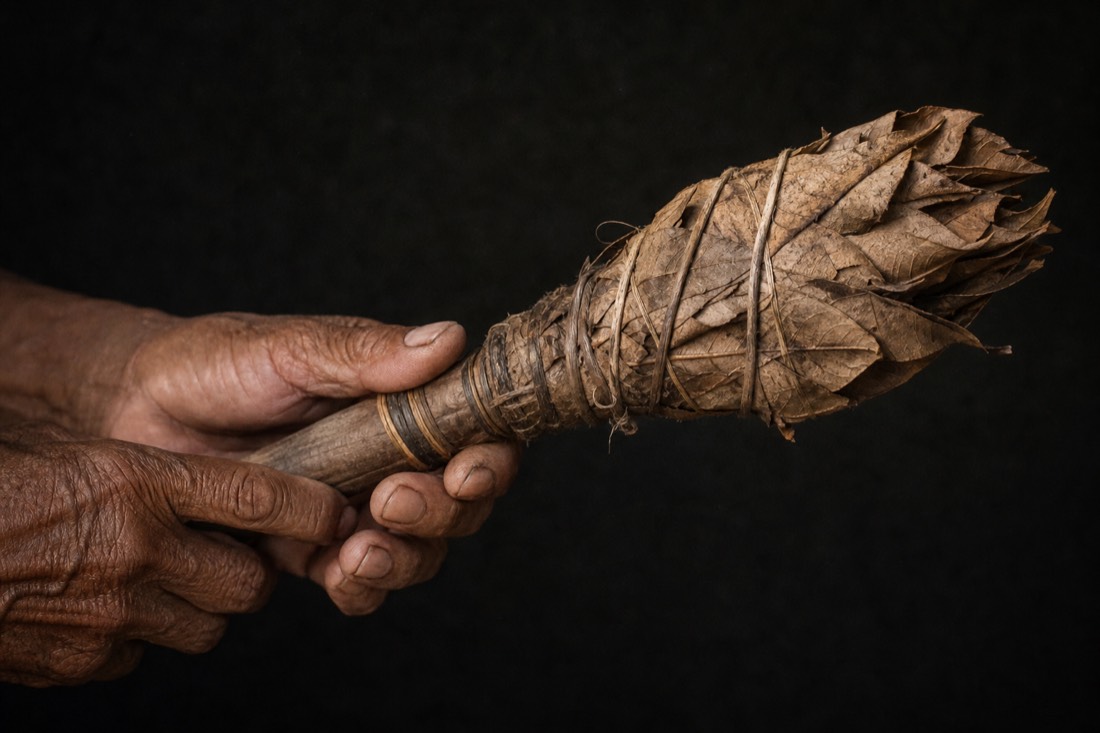
Lineage cuts through claims because it is specific and checkable. A real center names its healers, names their teachers or family line, and says how many years they have practiced. Vague grandeur, "our shamans carry ancient wisdom," is what fills the space where names should be. If you are weighing two centers that both claim strong lineage and cannot tell the difference from their websites, give us both names and we will lay out what our research shows on each, for free.
Compare the claims on file across the centers we track:
| Center | Named lineage on file | Tier |
|---|---|---|
| Nihue Rao | Shipibo, Amaringo and Munoz families | Verified |
| Niwe Rao Xobo | Shipibo, family of Maestra Ynes Sanchez | Verified |
| Dreamglade | Shipibo, Maestra Dominga and Maestro Raul, 40+ years | Verified |
| Onikano | Shipibo, Maestro Heberto Garcia family, own land | Community-mentioned |
| AyaSelva | Mestizo, curandero Arnaldo, raised in Tamshiyacu | Verified |
| Blue Morpho | Amazonian tradition, non-indigenous maestro since 2002 | Verified |
Centers our research points to for this topic. Nobody pays for placement; every card links our full, sourced review.
Iquitos / Amazonfrom $1,6007 days to 3+ months
Nihue Rao Centro Espiritual
rating not on file yet
Confirmed operating in 2026
Read the full review →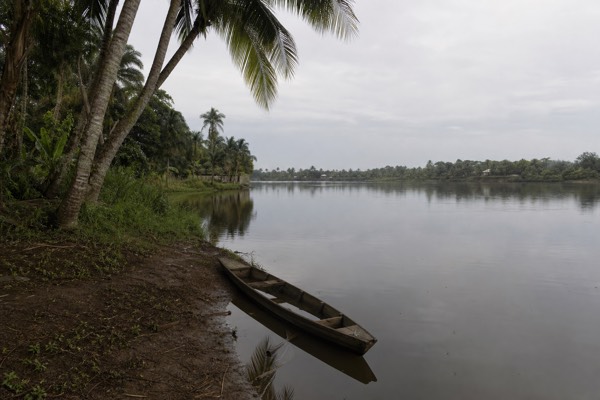
Tarapoto / Pucallpaon request
Niwe Rao Xobo
rating not on file yet
Confirmed operating in 2026
Read the full review →Iquitos / Amazonon request
Onikano
rating not on file yet
Community-mentioned
Read the full review →How do you check a lineage claim yourself?
Ask three questions in writing. Who leads your ceremonies, by name? What is their lineage, family or teacher, and tradition, Shipibo, Mestizo or other? How many years have they practiced, and where? Then cross-check: search the maestro's name with the center's name, look for them in guest reviews and forum threads, and see whether the story stays consistent. A center whose answer is a person is worth your time; a center whose answer is an aesthetic is not.
Listen for how the center talks about its healers day to day, too. In centers where the lineage is real, the maestro or maestra is a specific presence guests describe by name in reviews, the way the Reddit thread describes Heberto Garcia at Onikano or reviews describe Arnaldo at AyaSelva. In centers where it is not, the "shaman" is strangely interchangeable, unnamed in reviews, sometimes different from the person on the website. That mismatch between marketing and testimony is one of the cleanest red flags this industry offers.
Two honest cautions to finish. First, lineage is necessary but not sufficient: a genuine healer at a badly run center is still a badly run center, so vet screening and safety structure with equal force, and read how to tell a legitimate shaman from a fake. Second, do not let the Shipibo brand alone decide for you; a plainly stated Mestizo lineage beats a vague Shipibo claim every time. If a center has given you names and you want them checked against what we have on file, send them over, we do that for free. And if you want to hear the difference lineage makes before you ever book, the guests already told you: it sounds like the icaros.