How to Spot a Fake Shaman in Peru
Peru's retreat scene has no licensing body, so vetting falls on you. The red flags, the questions to ask, and what the documented cases teach.
 By Luis Quispe, Peru-based retreat facilitator
Someone on r/Ayahuasca called Peru's retreat scene "a wild west," and nobody in the thread argued. That phrase keeps coming back in the recommendation threads, usually right after a story about a center with no screening, no staff control, and a shaman nobody could name. I work as a facilitator here in Peru, and the frustrating part is that the fear is rational. There is no license to check. Anyone can hang a sign, brew something, and call himself a maestro.
The good news is that fake operations are surprisingly easy to catch once you know what a real one looks like. This is the vetting guide I wish every first-timer read before sending a deposit.
Why is Peru's retreat scene called a wild west?
Because nobody regulates it. Peru's 2008 heritage resolution protects traditional ayahuasca use as national culture, but no government body licenses retreat centers or certifies shamans. The US Embassy in Peru warns openly that facilities may not follow any health or safety standards. Verification falls entirely on you.
Sit with that for a second, because it explains everything else in this article. Retreat.guru alone lists over 300 retreat offerings in Peru. Some are run by families who have carried a lineage for generations. Others were set up last year to catch tourist money. Both kinds have nice websites. Both use the same vocabulary: healing, lineage, sacred, authentic.
The difference shows up in the details a tourist factory cannot fake: named healers with a checkable history, a real medical screening process, small groups with enough staff to handle a hard night, and a paper trail of independent reviews going back years. If you want the deeper background on ceremony structure first, start with what happens at an ayahuasca retreat and come back.
What are the red flags of a fake shaman?
The clearest one is no screening. Ayahuasca is contraindicated with SSRIs, MAOIs, some heart conditions, and a personal or family history of psychosis, and a legitimate center asks about all of it before taking your money. ICEERS documents these interactions in detail. An operation that will pour for anyone with cash is telling you exactly how much it cares whether you leave alive.
The other flags cluster around the same theme, which is that money moves faster than care:
- Nobody will tell you who the curandero is. Real centers name their healers and their lineage: Shipibo, Mestizo, which family, how many years. Vague talk of "our master shamans" with no names is a flag.
- You are offered a ceremony on short notice, in town, with no preparation. Ceremonies sold like day tours skip the dieta, the screening, and usually the safety staffing.
- The group is big and the staff is thin. Reddit's horror stories almost always feature one shaman, a dozen strangers, and nobody sober enough to help when a guest spirals. Ask for the facilitator-to-guest ratio in writing.
- The price is suspiciously low and the details are suspiciously vague. Cheap is not automatically bad, Paojilhuasca runs around $800 for 8 days with a solid reputation, but cheap plus evasive is a pattern.
- Boundary-crossing behavior. Sexual misconduct at Amazon retreats is a documented pattern, covered by the BBC's reporting on abuse in ceremony settings. Solid centers address it structurally: female facilitators present, no private shaman-guest sessions. Our solo women's safety guide goes deeper on this.
None of these flags alone proves fraud. Two or three together mean walk away.
What questions should you ask before booking?
Seven questions, and a real center answers all of them without getting defensive. This checklist is built from the ICEERS safety framework and the embassy advisories, and it is the same one we run when we verify centers for this site.
| Question | Answer you want to hear |
|---|---|
| Do you medically screen every guest? | Yes, a written health questionnaire plus a call, covering medications, heart, and psychiatric history |
| What is your policy on SSRIs and other medication? | A stated washout policy under a doctor's guidance, never "just stop taking them" |
| Who leads ceremonies, and what is their lineage? | Named healers, named tradition, years of practice you can cross-check |
| How many guests per ceremony, with how many staff? | A concrete ratio; small groups or extra trained facilitators |
| What happens in a medical emergency? | A real evacuation plan and a known distance to the nearest clinic |
| What protections exist for women? | Female staff present, no solo shaman-guest interactions |
| Can I speak to recent guests? | Yes, or they point you to independent reviews spanning years |
The medication question deserves special weight. A center that tells you to quit your antidepressant cold turkey so you can attend next week is dangerous twice over. Never change medication without your own doctor; our who should avoid ayahuasca guide covers the contraindications in plain language.
What do the documented deaths teach?
That the failure mode is not the brew alone, it is the operation around it. Peru has a small but real record of deaths at retreats, and the pattern across them is missing screening, missing staff, or missing honesty. We keep the full sourced record on our safety page; three cases show the shape of it.
Kyle Nolan was 18 when he died at the Shimbre retreat in Madre de Dios in 2012. The shaman buried his body to hide the death, a fact that only surfaced because his mother flew to Peru and pushed, as CNN reported. Matthew Dawson-Clarke, a 24-year-old New Zealander, died near Iquitos in 2015 after a tobacco purge tea given as preparation, not ayahuasca itself, which is worth reading twice: the ancillary rituals carry risk too. And in June 2025, Aaron Castranova, 41, died after a ceremony at a hostel in Loreto, with reporting pointing to possible undisclosed antibiotic use, exactly the kind of thing screening exists to catch.
An ICEERS review compiled roughly 17 Peru-linked deaths across the 2010s, many at tourist-focused operations. Against the tens of thousands of ceremonies held in the same years the absolute risk is low, but it is not zero, and it concentrates precisely at the centers this article is teaching you to avoid.
What happened with Garden of Peace?
A 2024 thread titled "Honest review of Ayahuasca retreat in Peru 2024 AVOID GARDEN of Peace" put the center at the middle of exactly the kind of contested fight that makes vetting hard. The complaints centered on the owner: exploitation concerns and poor communication. Then repeat visitors showed up in the same thread to defend the maestro and the rigor of the dieta, and the original post was later deleted.
We list it with a warning flag rather than a verdict, because that is what the record supports: contested, not settled. The lesson generalizes. One angry post is a data point, not a conviction, and one glowing review is a data point, not an endorsement. Dreamglade holds a perfect 5.0 across 182 Google reviews while a Reddit user reported dropping it over "concerning reviews" they never specified. When signals conflict, we show both, and you should read both before deciding.
How do our verification tiers work?
Every center in our comparison table carries one of four labels, and the label tells you exactly how far our verification got, not how good the marketing sounded.
Verified means we confirmed a real working website and every sign of current operation in 2026. Directory-listed means an active listing on a platform like Retreat.guru or AyaAdvisors, without an independent site check. Community-mentioned means real Reddit users repeatedly named it, and nothing more; treat those as leads, not vetted options. Warning on record means a documented incident or a sourced credible complaint, and we show the source. In this research pass, 22 additional named centers could not be tied to any live site or listing at all, so they are not listed as operating. That is the tier system working: refusing to pad the list is the point.
No center pays for placement, and no tier is for sale. If you are weighing a center you found somewhere else, send us the name and we will run it through the same process at no charge.
Centers our research points to for this topic. Nobody pays for placement; every card links our full, sourced review.
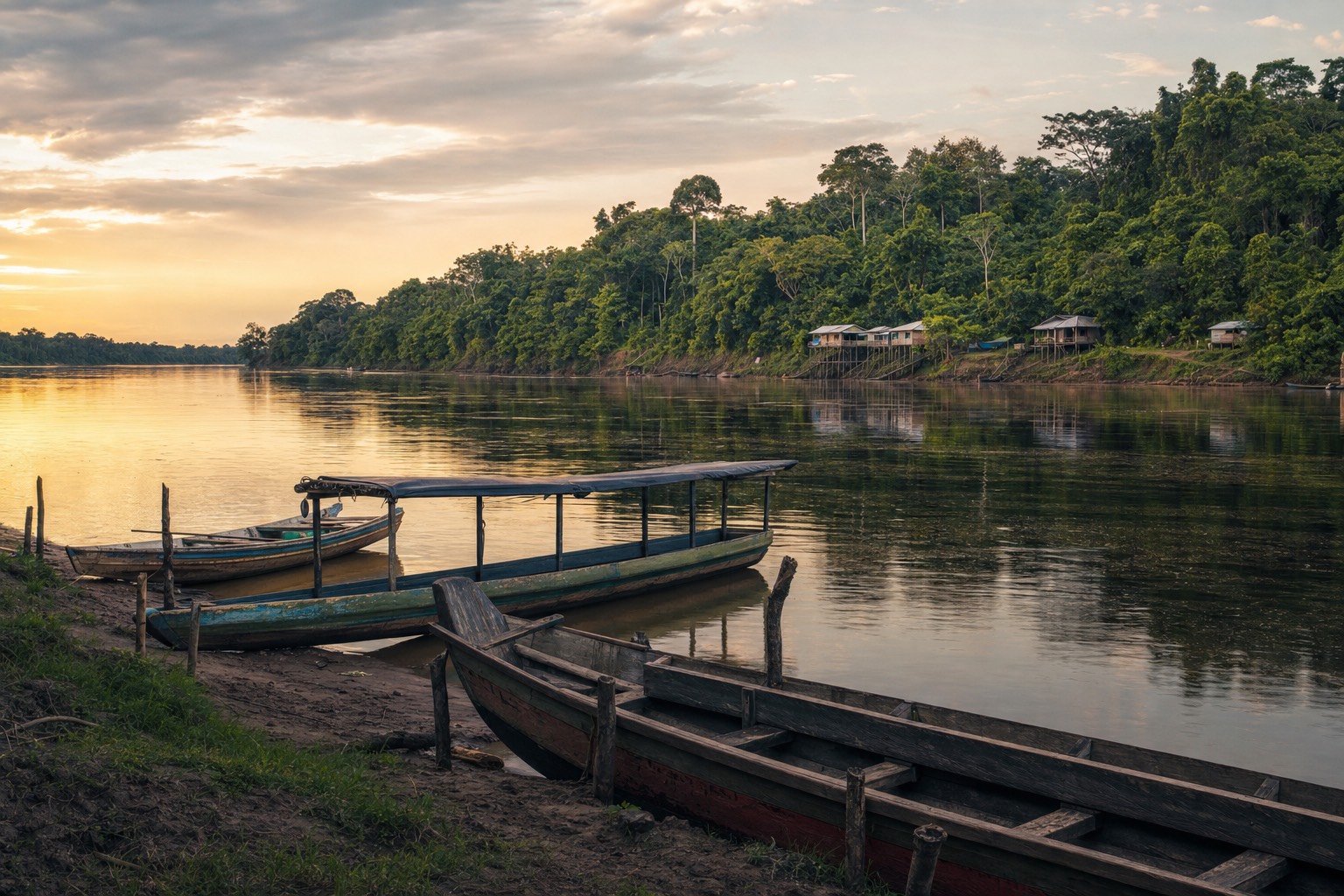
Iquitos / Amazonfrom $4,44012-day flagship; multi-week intensivesgroups of around 20
Temple of the Way of Light
★ 4.8 across 94 AyaAdvisors
Publishes real medical screening detail
Read the full review →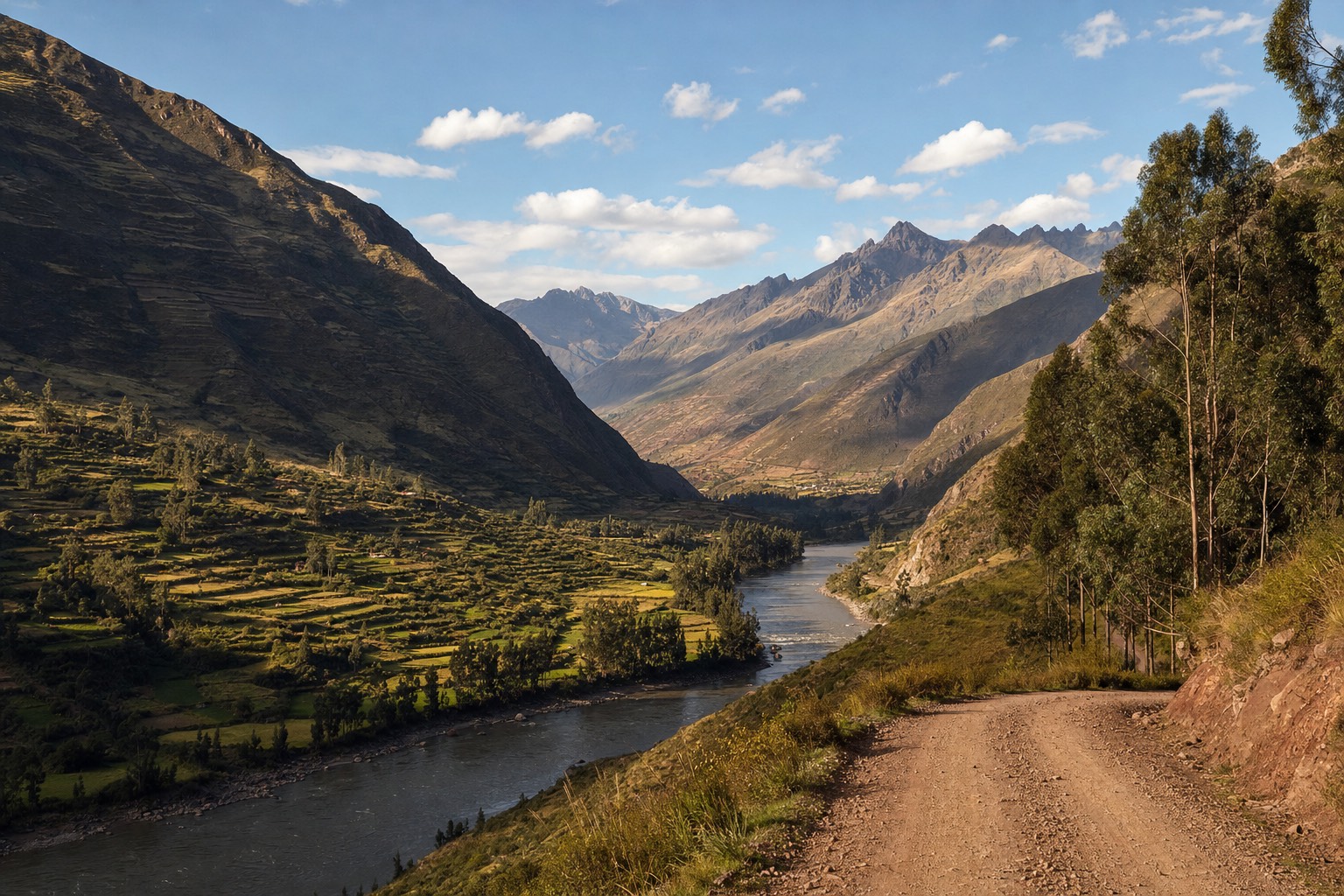
Cusco / Sacred Valleyfrom $1,1005 daysup to 18 guests
Etnikas
★ 4.4 across 71 Google reviews
Publishes real medical screening detail
Read the full review →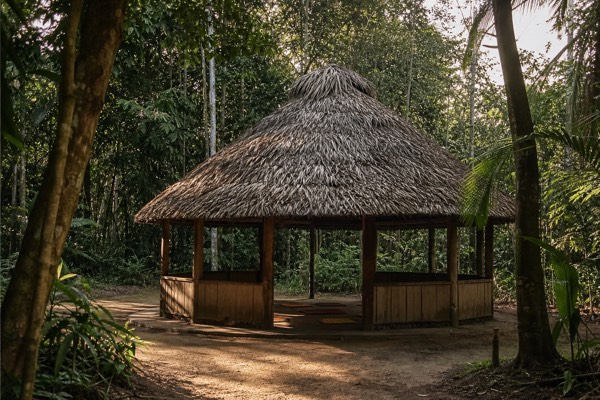
Iquitos / Amazon$1,200–$1,8007 or 12 daysmax 6 guests
AyaSelva Our pick
★ 5 across 29 Google reviews
Publishes real medical screening detail
Read the full review →What does a legitimate operation actually look like?
Like the opposite of every flag above, and Peru has plenty of examples. The Temple of the Way of Light runs a mandatory medical and psychological screening developed with ICEERS and reviewed by a licensed doctor and psychologist, the strictest process we found anywhere in the country. Etnikas near Cusco keeps nurses on staff. Family-run centers like AyaSelva in Tamshiyacu cap groups at six guests, publish their contraindication list, and cook the medicine on site from vine and chacruna only.
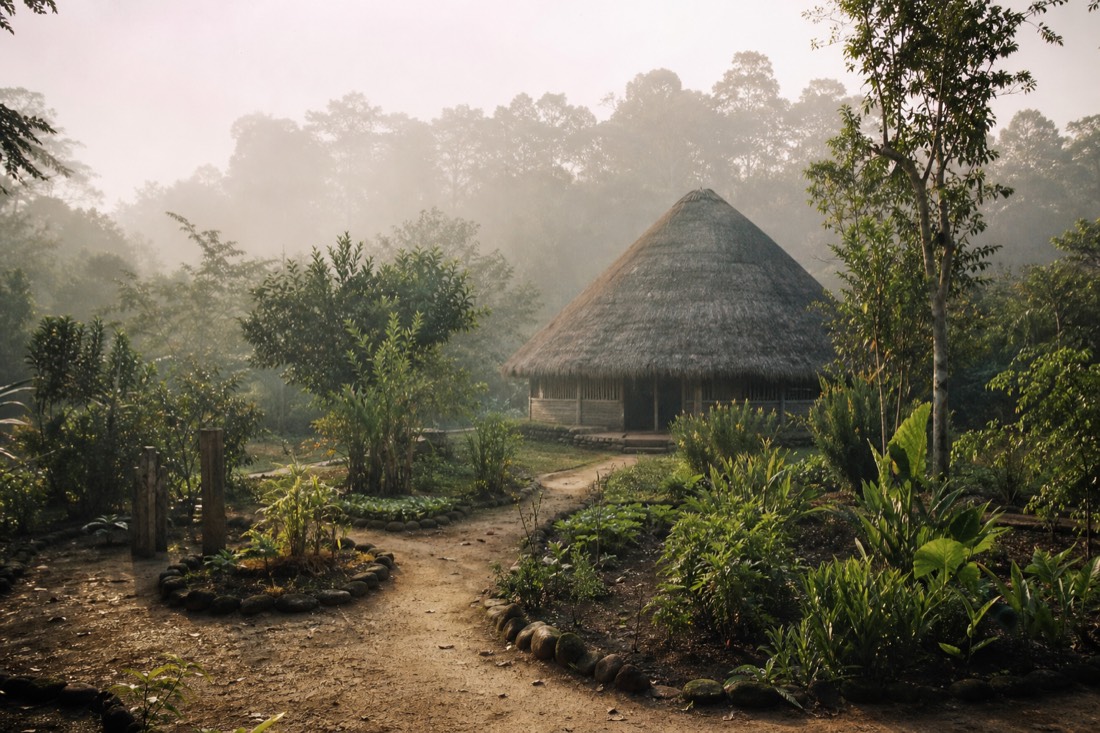
Notice what those three have in common despite wildly different sizes and prices: named people, stated process, checkable claims. A fake shaman sells you mystery. A real one, in my experience working alongside them, is almost boringly practical about safety, because they have seen what the medicine does and they respect it.
Take the checklist, ask the seven questions, and trust the pattern of answers more than any single review. The centers worth your trust are the ones that make verifying them easy. Start with the full comparison of every researched center, and if two finalists have you stuck, tell us your shortlist and we will give you a straight answer for free.