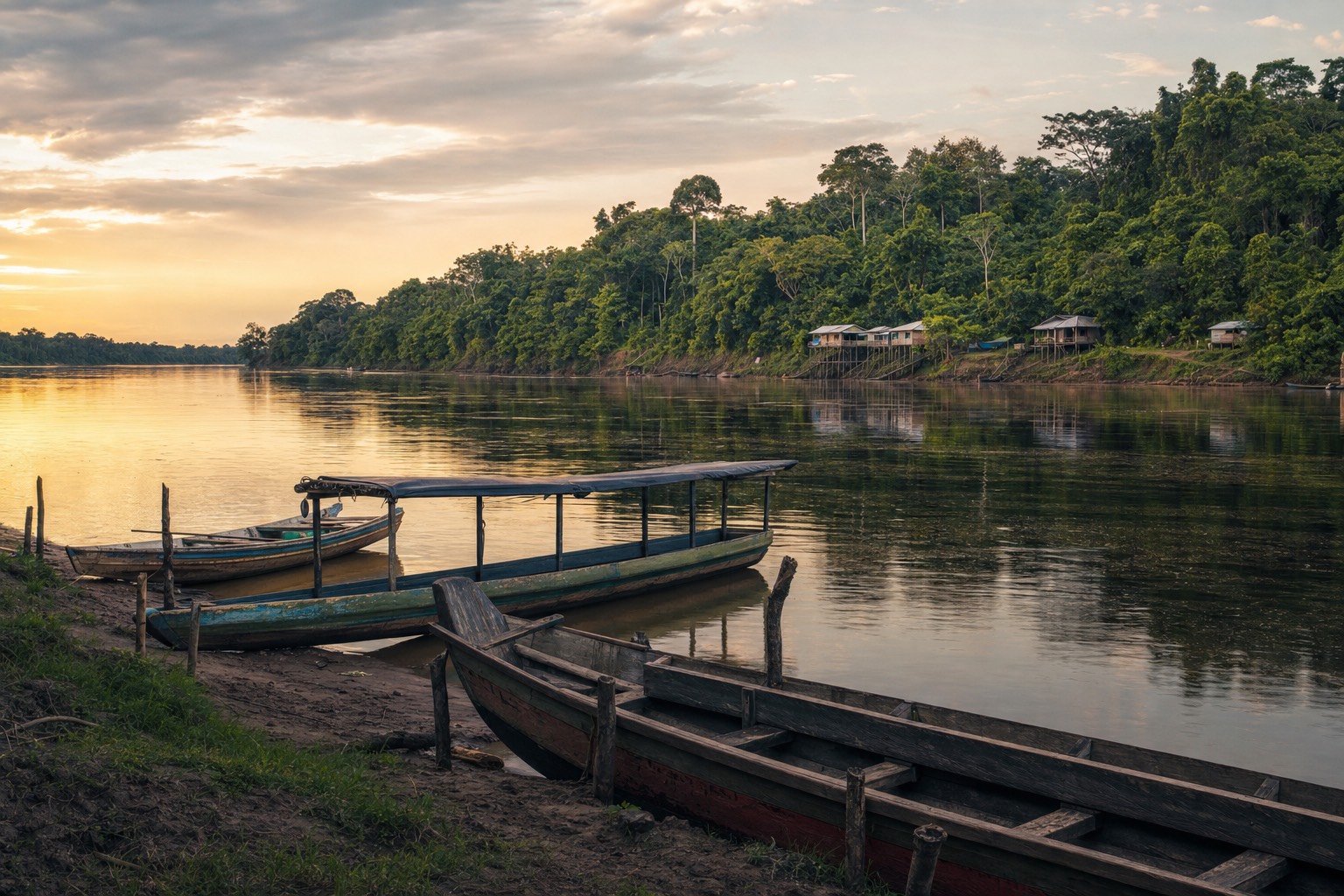
Iquitos / Amazon$1,200–$1,8007 or 12 daysmax 6 guests
AyaSelva Our pick
★ 5 across 29 Google reviews
Publishes real medical screening detail
Read the full review →Peru leads on legality, lineage and depth of real centers, with Iquitos as the hub. How Costa Rica, Brazil and Ecuador compare, honestly.
 Written with Luis Quispe, Peru-based retreat facilitator
Short answer
Peru is the strongest overall answer. Traditional ayahuasca use was declared part of Peru's National Cultural Heritage in 2008, ICEERS calls it one of the only countries in the world where ayahuasca is clearly legal, and the Iquitos region holds the deepest concentration of lineage-led retreat centers we could verify anywhere, at prices from roughly $700 to $4,440. Costa Rica, Brazil and Ecuador host real retreat scenes too, so the ranking depends on what you put first: legality, lineage depth, safety infrastructure, or ease of travel. Weighing all four, Peru wins for most first-time travelers.
The vine grows across the Amazon basin, and ceremonies now happen on every continent. So "where is the best place" is really four questions wearing one coat: where is it legal, where is the tradition deepest, where is the safety infrastructure real, and where can you actually get to. Answer those and the map gets much smaller.
Legality comes first, because it shapes everything downstream. Where the brew sits in a legal gray zone, centers operate quietly, which makes screening, reviews and accountability harder to verify. Second is lineage: whether ceremonies are led by healers trained for years inside a living tradition, or by whoever bought a website. Third is safety infrastructure, meaning medical screening before you drink, trained facilitators during, and a plan for emergencies. Fourth is access: flights, altitude, climate, and what your budget buys.
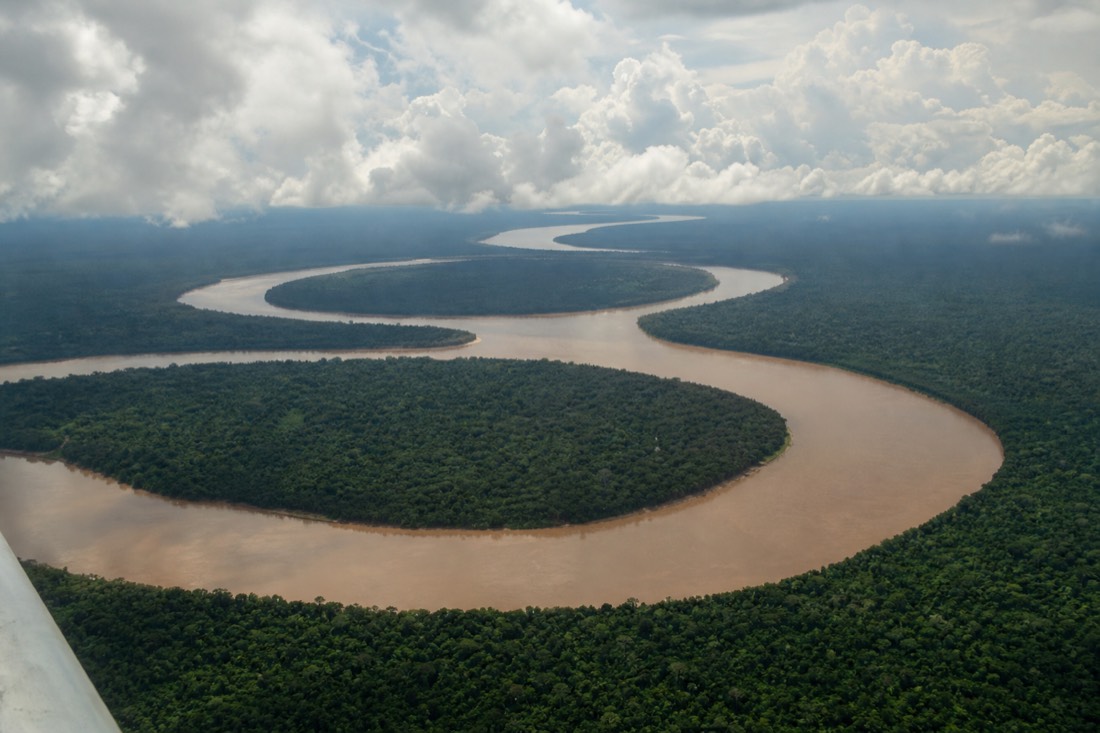
No country scores perfectly on all four. But one scores high on all four at once.
Peru is the only country in this conversation with a national declaration behind the practice. Resolucion Directoral Nacional 836/INC, issued in June 2008, declared the traditional knowledge and use of ayahuasca by native communities part of the Patrimonio Cultural de la Nacion. ICEERS, the specialist NGO on ayahuasca law, states plainly that Peru is one of the only countries in the world where ayahuasca is legal. One honest nuance: the declaration protects traditional indigenous use, and retreat tourism operates in a legal but unlicensed space, with no government certification of centers or shamans. The full picture is in our guide to whether ayahuasca is legal in Peru.
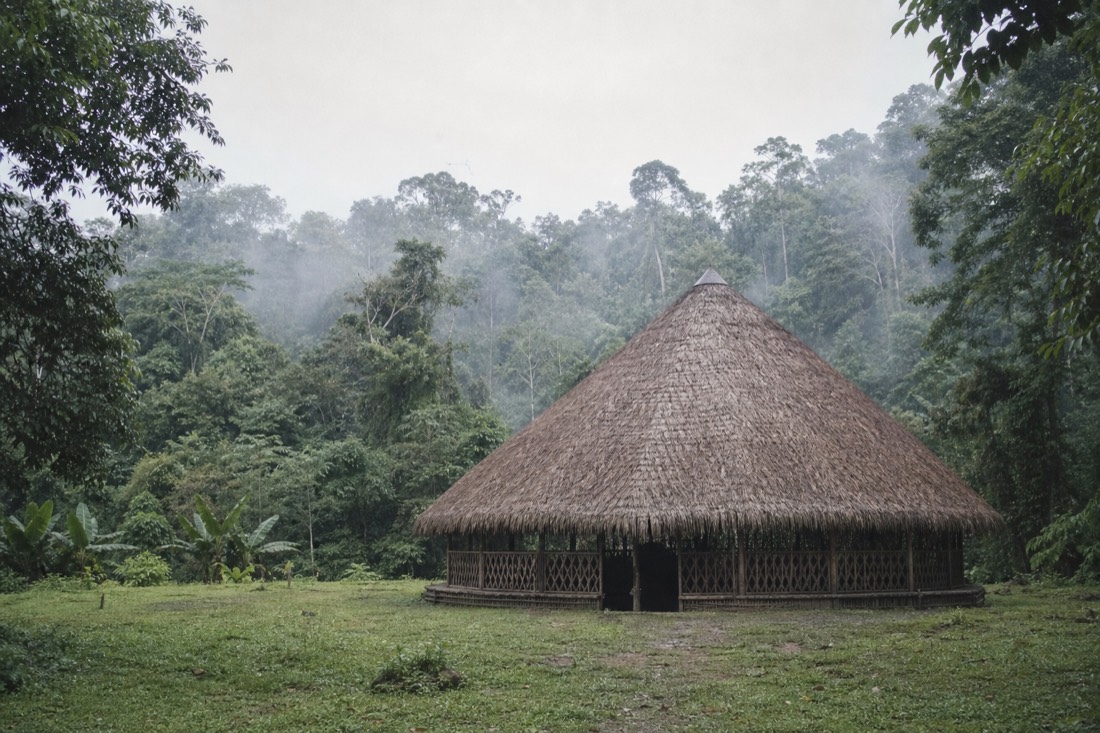
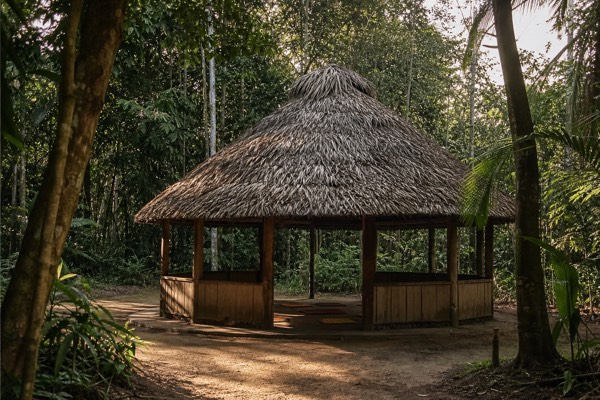
Then there is depth. Around Iquitos alone, our research verified centers with decades of continuous operation: SpiritQuest since 1995, Blue Morpho since 2003, Temple of the Way of Light with more than 20 years working with Shipibo healers. Shipibo healing families, like the Amaringo and Munoz lineages behind Nihue Rao, train curanderos over many years, and the Mestizo tradition around Tamshiyacu runs just as deep. Retreat.guru's Peru section alone lists over 300 retreat offerings. No other country came close in our research on the number of centers with verifiable lineage and track record; we profile every one we checked in our center directory.
Prices span the whole market, roughly $700 for short programs to $4,440 for a 12-day flagship, so Peru is not only for big budgets. And you get a real choice of setting: the Amazon proper around Iquitos, or the cooler, higher Sacred Valley near Cusco, a tradeoff we unpack in Iquitos vs the Sacred Valley. If you are unsure which region fits your health and comfort needs, describe your situation to us and we will point you at the right one, free.
Costa Rica is the most popular alternative for North Americans, and search demand shows it: it is the second most searched retreat country among US travelers in our keyword data, a long way behind Peru. Its appeal is honest and practical: shorter flights and resort-level comfort. What it cannot offer is the thing Peru has by definition, ceremonies inside the culture that created them, and our verification work did not cover Costa Rican centers or their legal specifics, so we cannot vouch for individual operators there.
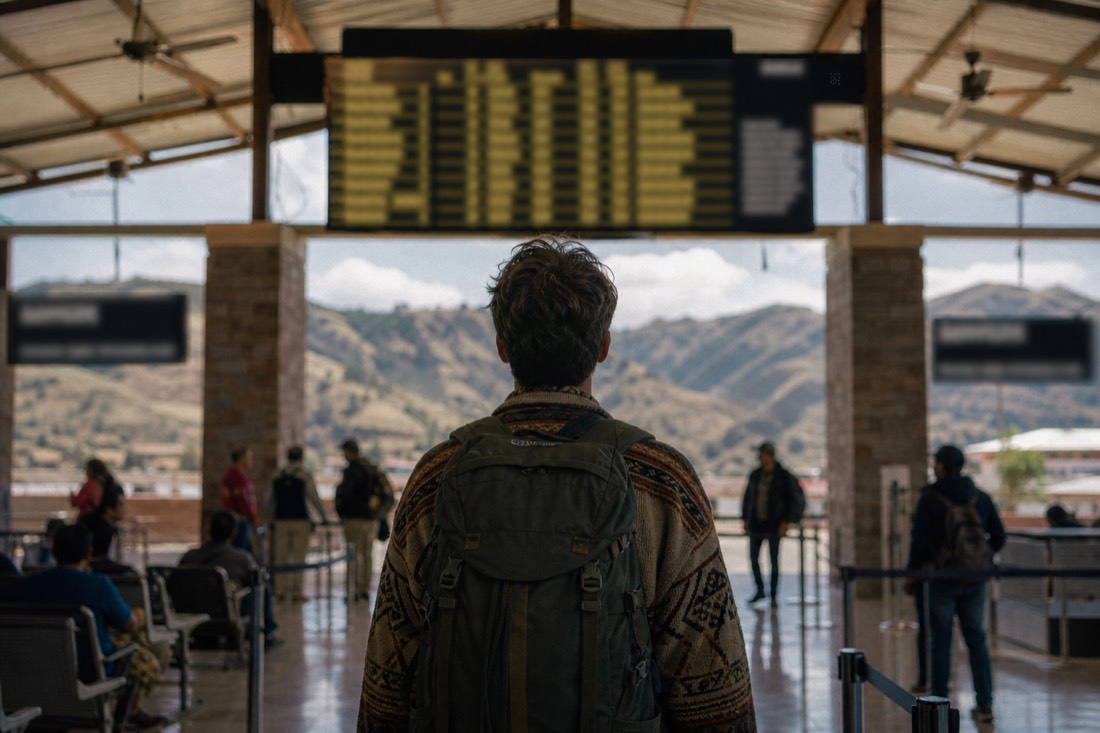
Brazil and Ecuador both hold genuine Amazonian traditions of their own, and serious centers exist in each. The practical case for Peru over both is the same as above: an explicit national heritage declaration, the largest verifiable bench of lineage centers, and a mature ecosystem of reviews and traveler reports to check any center against. We compare the options head to head in Peru vs Costa Rica vs Mexico.
If your shortlist spans two countries, send it over and we will tell you honestly which option we can actually verify and which we cannot.
Take them in order: legality, lineage, safety infrastructure, access. A country that fails on legality makes everything downstream harder to check, because centers operating quietly leave thin paper trails. Access problems, by contrast, are merely inconvenient. Peru is the only destination in our research that scores strongly on all four at once.
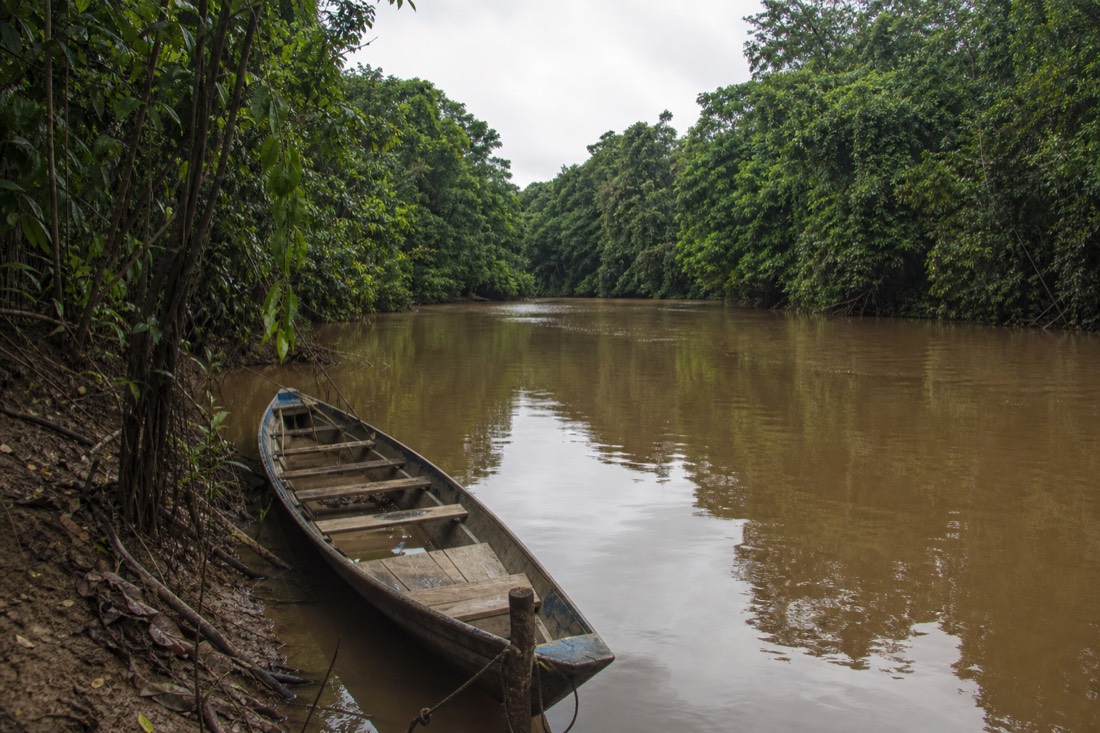
The matrix below is the one we actually use when readers ask us to compare destinations. Read it top to bottom: each row assumes the one above it already passed.
| Factor | What to check before you book | Where Peru stands on our research file |
|---|---|---|
| Legality | A written legal basis, not quiet tolerance | Traditional use declared National Cultural Heritage in 2008; ICEERS calls Peru one of the only countries where ayahuasca is legal. Centers themselves remain unlicensed. |
| Lineage depth | Named healers with named teachers, in a tradition that lives where you are going | Shipibo and Mestizo lineages are resident. Verified centers include SpiritQuest (since 1995), Blue Morpho (2003) and Temple of the Way of Light (20+ years). |
| Safety infrastructure | Published screening, contraindication lists, sober facilitators, an emergency plan | Varies by center, not by flag: Temple's ICEERS-developed screening is reviewed by a doctor and psychologist, Etnikas keeps a medical team including an emergency nurse, and the US Embassy still warns that facilities may not meet health standards. |
| Access | Flights, connections, altitude, total days the trip really takes | One Lima connection reaches every retreat region. The jungle sits near sea level; Cusco sits at about 3,400 meters. |
Notice what the third row implies. No government anywhere licenses these centers, so safety is decided by the operation you pick, not the border you cross. Country choice narrows the field; it never finishes the vetting. That part is covered in our safety guide, and it applies with equal force in every country on this page.
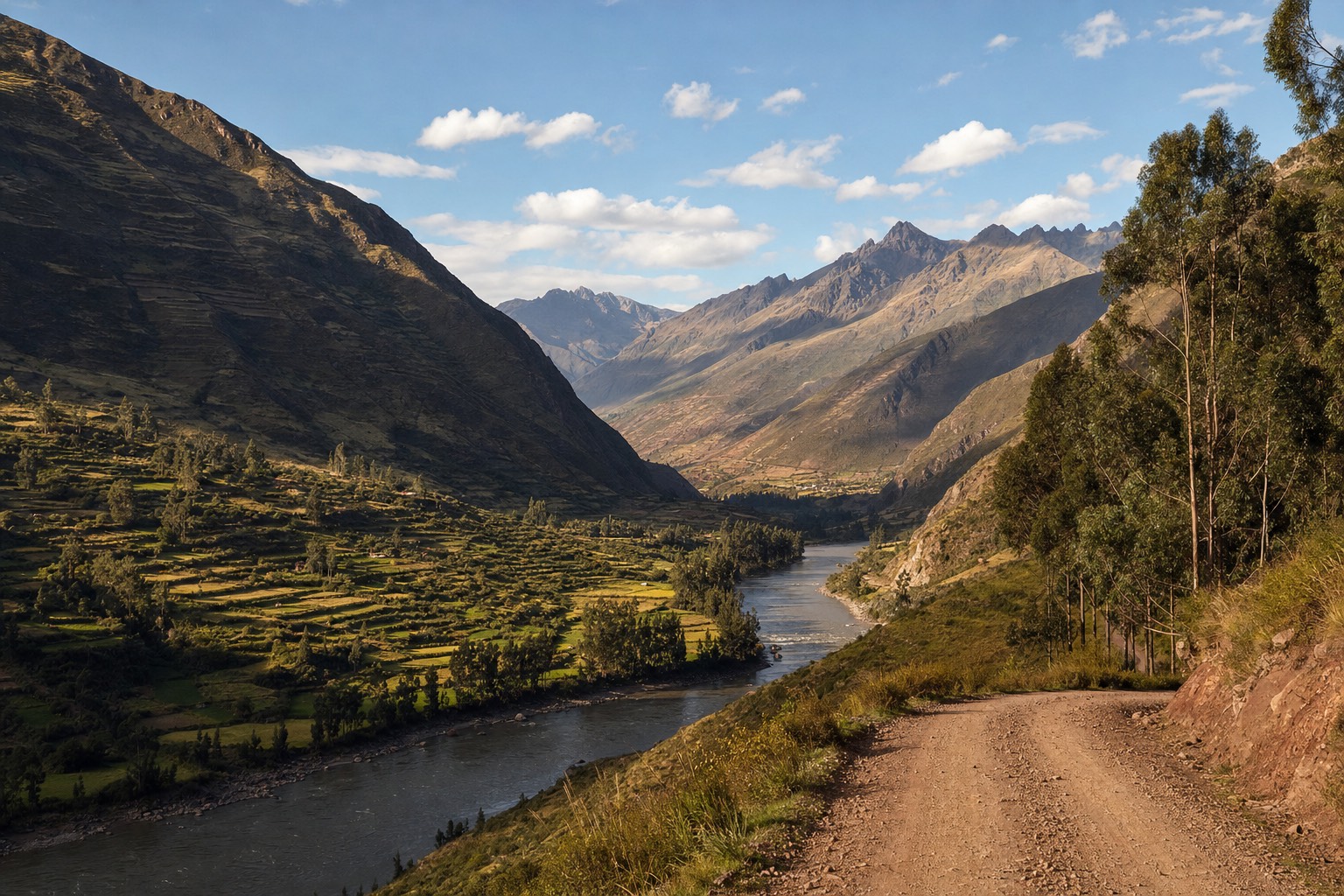
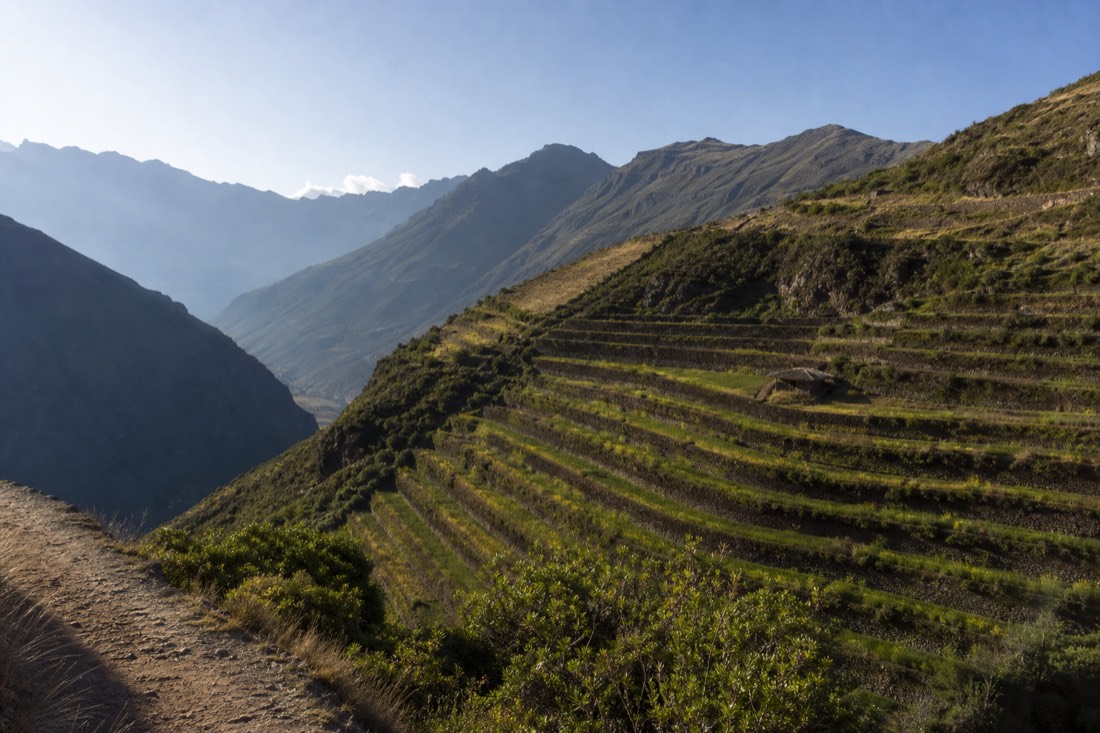
Iquitos holds the deepest bench, with twenty researched centers and both major lineages resident. The Sacred Valley trades tradition density for easy logistics, medical proximity and 3,400 meters of altitude. Tarapoto and Pucallpa are the lineage heartland with the thinnest tourist infrastructure. Most first-timers land in Iquitos for a reason.
| Iquitos / Loreto | Cusco / Sacred Valley | Tarapoto / Pucallpa | |
|---|---|---|---|
| Setting and climate | Lowland Amazon: heat, humidity and insects all day, every day | Dry mountain air, cold clear nights, farmland and Inca terraces | Pucallpa is lowland jungle heat; Tarapoto sits in higher, greener transition country |
| Altitude | Near sea level | Cusco at about 3,400 m; valley towns somewhat lower along the Urubamba | Lowland to mid-elevation |
| Getting there | No road reaches Iquitos: fly from Lima or take a slow riverboat, then a boat to most centers | Fly Lima to Cusco, reach the retreat the same day by road | Both cities have airports with Lima connections, and roads exist |
| Tradition density | The deepest concentration in our research: 20 centers, Mestizo and Shipibo roots | Fewest local roots; centers bring their brew or their healers up from the lowlands | Shipibo heartland around Yarinacocha, plus Takiwasi's therapeutic tradition in Tarapoto |
| Researched prices | $750 to $4,440 across the field | From $700 at Etnikas to about EUR 3,100 at Amoraleza | Takiwasi's 8-day dieta about S/ 5,000; APL from $3,150; several centers price by inquiry |
| Who it suits | First-timers at rigorous small centers; anyone who wants the source | Cautious first-timers, Machu Picchu itineraries, anyone who values a clinic nearby | Lineage-focused returning drinkers willing to do slower, harder vetting |
Each region has a full page of its own: Iquitos and the Amazon, Cusco and the Sacred Valley, and Tarapoto and Pucallpa. The altitude row deserves one more sentence, because it is a health fact rather than a comfort fact: ayahuasca raises blood pressure and heart rate on its own, so anyone with cardiovascular questions should read the Cusco option conservatively and talk to a doctor first.
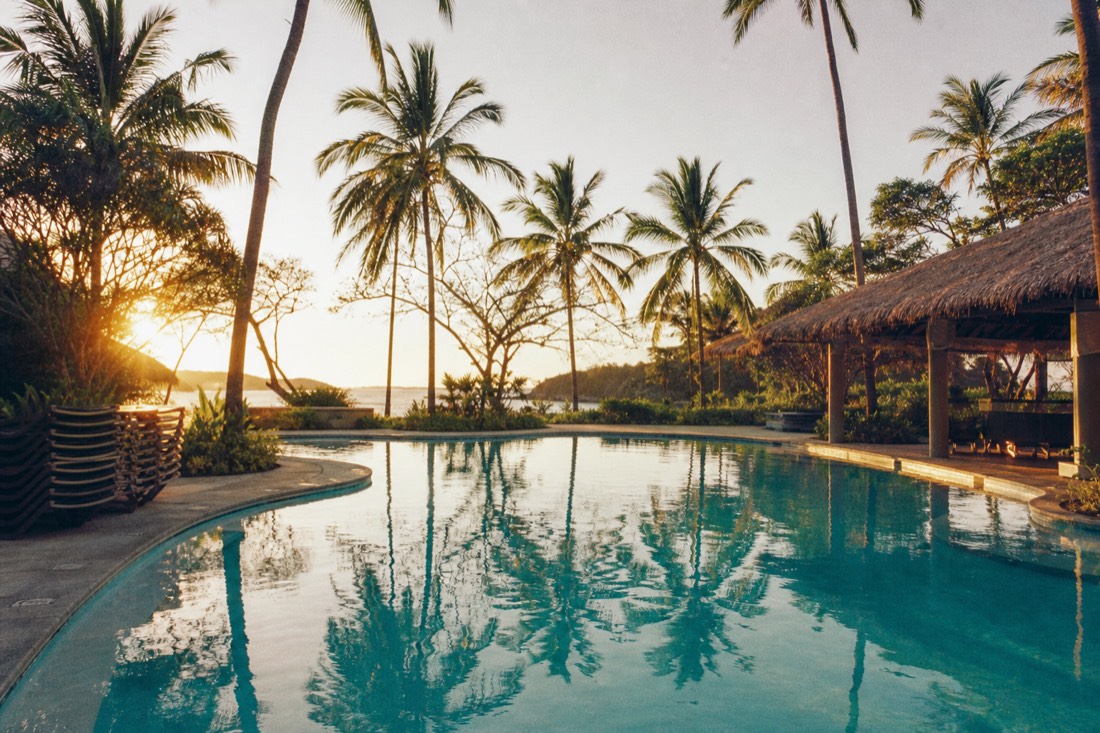
Peru gives you explicit legal recognition and a verified price band of roughly $750 to $4,440 per retreat. Costa Rica offers resort comfort inside a legal gray zone at far higher rates: Rythmia publishes week pricing from about $4,900, and reporting placed Soltara at roughly $3,125 to $6,000 for five nights.
| Peru | Costa Rica | |
|---|---|---|
| Legal footing | Traditional use protected as cultural heritage since 2008; retreat tourism legal but unlicensed | No law addresses ayahuasca; it is simply unscheduled, while DMT itself is banned, and the industry lives inside that ambiguity |
| Native tradition | Yes: resident Shipibo and Mestizo lineages | None; the vine does not grow there natively and healers are typically brought in from the Amazon |
| Researched cost | Mid-market week $1,200 to $2,500; full verified range $750 to $4,440 | Rythmia about $4,900 to past $8,000 per week; Soltara roughly $3,125 to $6,000 for five nights |
| What the money buys | Jungle malocas, family land, small groups, lineage at its source | Pools, air conditioning, gourmet kitchens, resort infrastructure |
| Flights from the US | Lima plus one domestic connection | Short and direct |
The flight row is the honest point in Costa Rica's favor, and it rarely changes the total: a shorter flight does not close a $3,000 gap in retreat price. The legality row is the honest point in Peru's favor, and it is structural. "Mostly undisturbed" and "protected heritage" are different comfort levels. One caveat we repeat everywhere: our verification passes covered Peru, so we cannot vouch for individual Costa Rican operators, only report what their published and reported prices say.
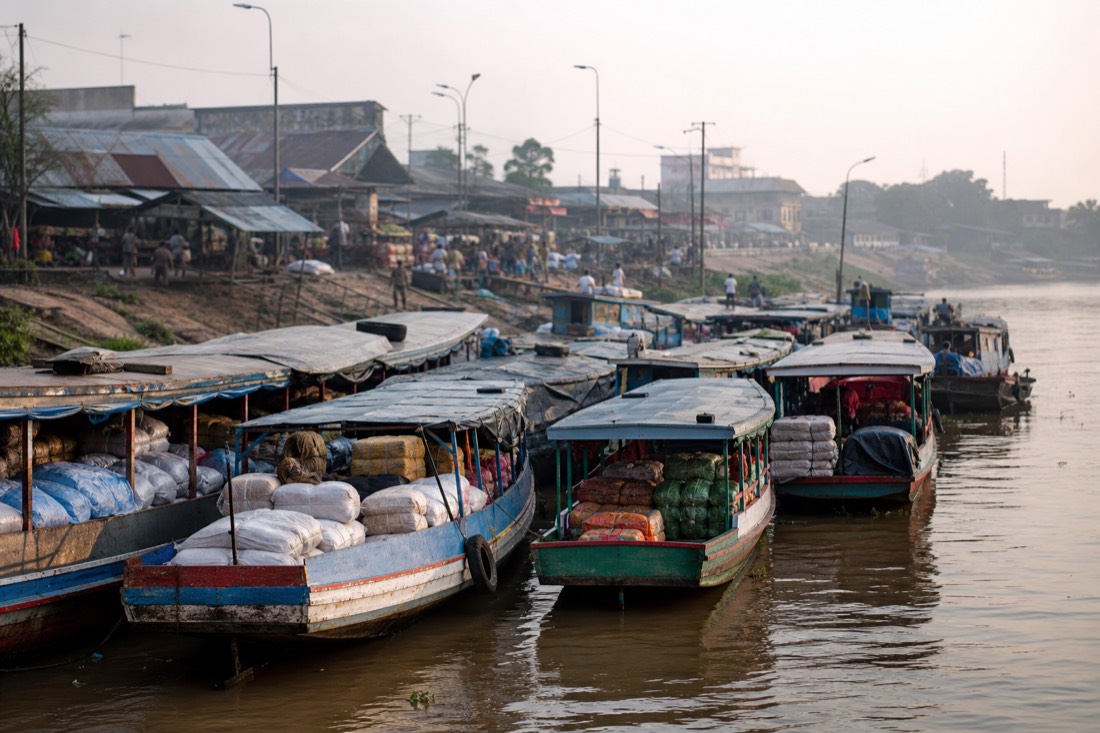
Every Peruvian retreat region is one domestic connection from Lima. The real math is in the allowances around that flight: an arrival night in town, a boat leg for jungle centers, acclimatization days if you choose Cusco, and a return ticket flexible enough to survive your integration days mattering more than your itinerary.
| Planning allowance | The math | Why it exists |
|---|---|---|
| The Lima connection | One domestic flight to Iquitos, Cusco, Tarapoto or Pucallpa | No road reaches Iquitos at all; the alternative is a very slow riverboat |
| Arrival night in town | Budget a night in Iquitos, Cusco or Tarapoto on one or both ends | The standard pattern: better centers such as AyaSelva fold the pickup and the overnight arrangement into the package |
| The boat leg | Jungle centers sit upriver from town | AyaSelva's hosts handle the boat to Tamshiyacu; Nihue Rao sits about an hour from the Iquitos airport |
| Altitude days (Cusco only) | Give yourself days to acclimatize before ceremony | Cusco is at 3,400 m; do not plan to drink the night you land |
| Flexible return | Book a changeable ticket or pad the back end | Integration days can matter more than the original return date |
| Gear and insurance | Jungle-appropriate kit, travel insurance that does not exclude your plans | These belong in the budget before you compare retreat prices |
Costs for the flights themselves vary with season and how far ahead you book, so we keep them out of the table rather than invent figures. The cost page walks through the whole trip budget line by line.
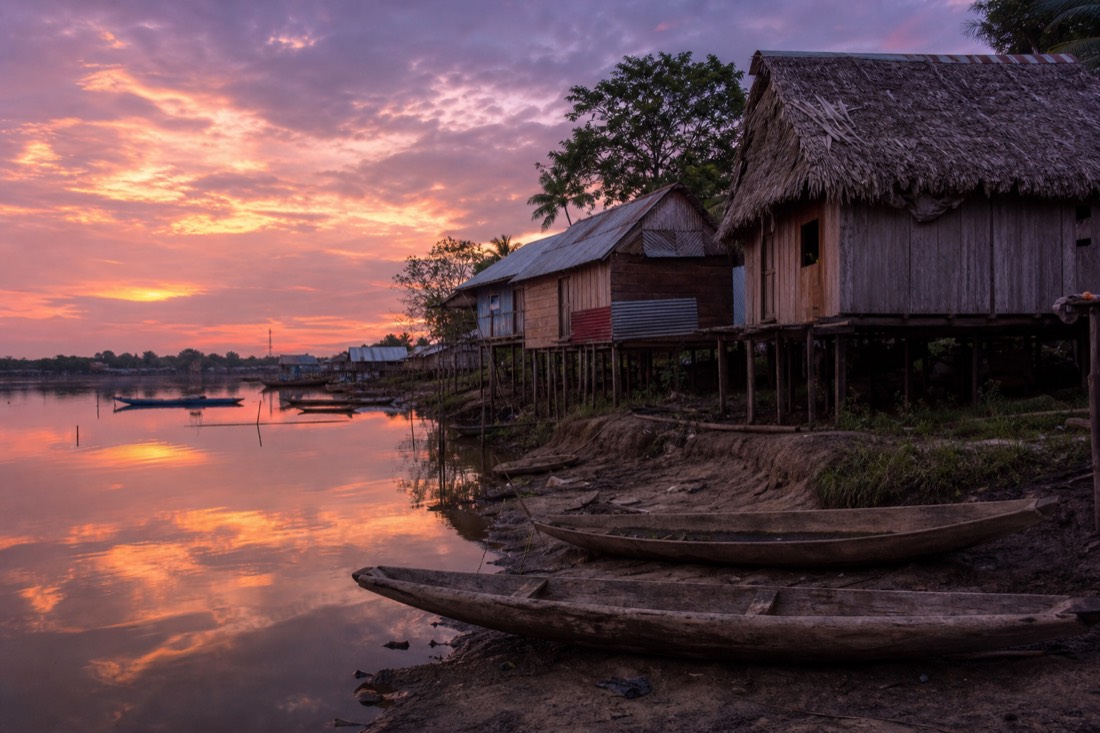
The Shipibo healing families that staff centers across Peru trace to the Ucayali river country around Pucallpa and the Yarinacocha lake. Mestizo curanderismo runs deep in the Loreto river towns like Tamshiyacu. Tarapoto carries a therapeutic mestizo tradition, and the Sacred Valley hosts ceremonies that are imported, not native.
| Tradition | Home ground | Researched centers carrying it |
|---|---|---|
| Shipibo / Shipibo-Conibo | Ucayali river country around Pucallpa and Yarinacocha | Temple of the Way of Light; Nihue Rao (Amaringo and Munoz families); Dreamglade (a Pucallpa healer couple with 40+ years of practice); Niwe Rao Xobo (Maestra Ynes Sanchez's family); AYA Healing Retreats (Don Miguel) |
| Mestizo curanderismo | Loreto river towns such as Tamshiyacu | AyaSelva, where curandero Arnaldo was raised in the town where he now works |
| Mestizo-therapeutic | Tarapoto | Takiwasi, where curanderos work alongside psychologists and the addiction program carries Peruvian Ministry of Health recognition |
| Andean-blended | Cusco and the Sacred Valley | Etnikas pairs Shipibo healers with Qero healers from the highlands, with a doctor present during ceremonies |
Why does the geography matter? Because "Shipibo ceremony" means something concrete when the maestra learned from her own family on the Ucayali, and something thinner when a rotating healer flies into a venue with no roots. Wherever you sit, ask where the person leading ceremony learned, and from whom. The full story of what that inheritance sounds like is in our piece on Shipibo lineage and icaros.
Anyone on SSRIs or MAOIs, anyone with a serious heart condition, and anyone with a history of psychosis should not drink ayahuasca in any country until a doctor and a screening center say otherwise. Beyond the medical lines, Peru is the wrong pick for travelers who will not vet centers or cannot spare the days.

A site built to send people to Peru owes you the list of people it should not send.
| Situation | Why it rules out, or delays, the trip | The honest move |
|---|---|---|
| SSRIs, SNRIs or MAOIs | Serotonin syndrome risk; ICEERS-derived guidance puts SSRI washout at 2 to 6+ weeks under medical supervision | Talk to your prescriber; never self-taper for a booking |
| Serious cardiovascular conditions | The brew raises blood pressure and heart rate; Cusco adds 3,400 m of altitude on top | This is a medical question, not a destination question |
| Psychosis, schizophrenia or bipolar history | ICEERS lists these as not recommended, full stop | No country fixes this; read who should avoid ayahuasca |
| Unwilling to vet operators | Peru's scene is legal but unlicensed, the US Embassy warns about standards, and the documented deaths on record track missing safeguards | Do not book anywhere until the safety guide makes sense to you |
| Resort comfort is non-negotiable | Jungle centers trade comfort for immersion, deliberately | Costa Rica is the honest fit, at Costa Rican prices |
| The calendar is too tight | Lima connection, buffer nights, spaced ceremonies and integration all take days | Wait for a real window instead of compressing the container |
None of this is gatekeeping for its own sake. The centers we rate highest are the ones that reject people, because a center that can say no to your deposit is a center whose screening means something.
Luis Quispe has been supporting international visitors in Peru since 2022 and facilitating retreat experiences since 2023, with more than 1,000 participants passing through his care by his own count. He is not the person who decides whether the medicine suits you; screening does that. What he sees, over and over, is the gap between the Amazon people imagine and the one they land in.
The same handful of surprises come up every season.
| What guests underestimate | What it means in practice |
|---|---|
| River time | Distances move at boat speed, not taxi speed; the transfer is part of the trip, not a delay in it |
| The climate never switches off | Lowland heat and humidity run through the night; there is no evening cool-down to reset you |
| Being offline | Connectivity at jungle centers ranges from thin to none, and guests feel it more than they expect |
| The forest is loud | Nights are full of insect and animal sound; light sleepers should know before they book |
| The trip around the retreat | People budget the program and forget the buffer nights, the flexible return, the gear |
His advice to guests compresses to one sentence: come for the jungle on its terms, not for a hotel with trees. The people who struggle are almost never struggling with the ceremonies alone; they are struggling with heat, sleep and remoteness they did not plan for. If you are not sure whether your health, your calendar or your comfort threshold fits the Amazon at all, describe your situation to us and we will say so plainly, free, before you spend anything.
Centers our research points to for this topic. Nobody pays for placement; every card links our full, sourced review.
Iquitos / Amazon$1,200–$1,8007 or 12 daysmax 6 guests
★ 5 across 29 Google reviews
Publishes real medical screening detail
Read the full review →Iquitos / Amazonfrom $4,44012-day flagship; multi-week intensivesgroups of around 20
★ 4.8 across 94 AyaAdvisors
Publishes real medical screening detail
Read the full review →Cusco / Sacred Valleyfrom $1,1005 daysup to 18 guests
★ 4.4 across 71 Google reviews
Publishes real medical screening detail
Read the full review →Yes, for traditional, cultural and spiritual use. A 2008 national resolution declared traditional ayahuasca use part of Peru's cultural heritage, and ICEERS describes Peru as one of the only countries where ayahuasca is legal. Retreat centers themselves are unregulated, so vetting the center is on you. Details in our legality guide.
Iquitos and the surrounding Loreto jungle hold the deepest concentration of verified lineage centers, which is why most serious first-timers end up there. The Sacred Valley near Cusco trades jungle immersion for cooler weather, easier logistics and proximity to Machu Picchu. See the full comparison.
Treat it as prohibited. DMT is internationally controlled, and many countries treat the brew as a controlled DMT preparation regardless of its status in Peru. Drink it in ceremony in Peru; do not fly with it.