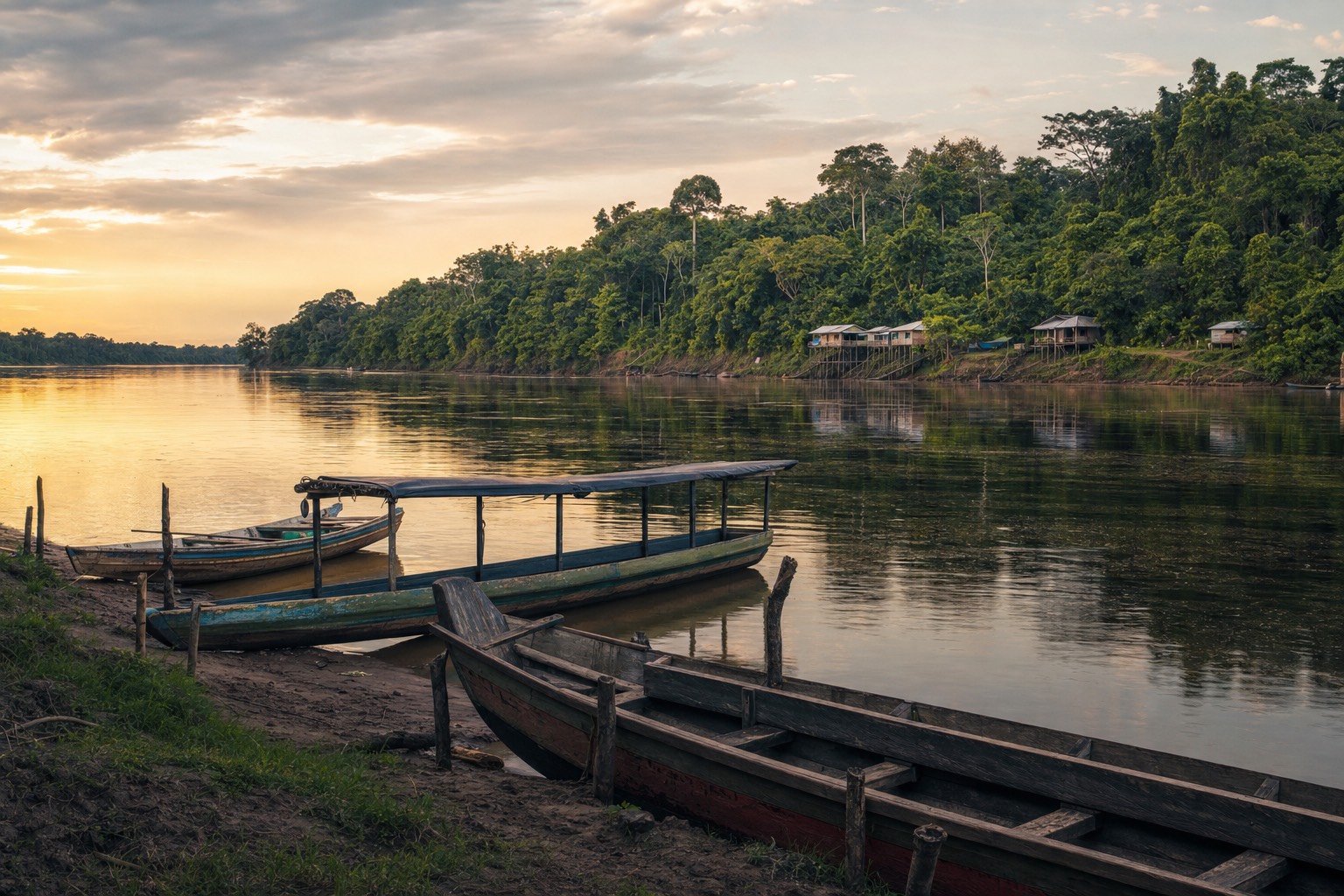
Iquitos / Amazon$1,200–$1,8007 or 12 daysmax 6 guests
AyaSelva Our pick
★ 5 across 29 Google reviews
Publishes real medical screening detail
Read the full review →An honest answer from the research: what travelers actually report, what a Peru retreat really costs, the risks, and who tends to regret going.
 Written with Luis Quispe, Peru-based retreat facilitator
Short answer
It depends on what you need and where you go. In the Reddit threads we track, people who chose small, screened, lineage-led centers consistently describe the week as one of the most significant of their lives, while the regrets cluster around centers picked on price alone, with no medical screening and no follow-up. A verified Peru retreat runs roughly $700 to $4,440 for 3 to 12 days, the scene is legal but unregulated, and there are documented deaths on record. So the honest answer is conditional: worth it for the right person at the right center, a real risk for the wrong person at the wrong one.
Nobody asks this question idly. A retreat in Peru costs four figures once flights are in, takes at least a week of your life, and involves drinking a brew that demands respect. The question deserves a better answer than the testimonials on retreat websites, so here is what the record actually supports.
The most useful evidence we have is unfiltered traveler voice, and r/Ayahuasca is where it lives. Across the 2024 to 2026 recommendation threads we reviewed, the pattern is stable. Guests at small, family-run centers with a named curandero write things like the review of Onikano near Pucallpa: "The medicine is strong without being overwhelming. The Icaros are world class." A solo woman at Flower of Life in Iquitos: "I felt completely safe the entire time. Highly recommend!" Temple of the Way of Light gets called "one of the most carefully and professionally guided centers" by people who compared options across Peru.
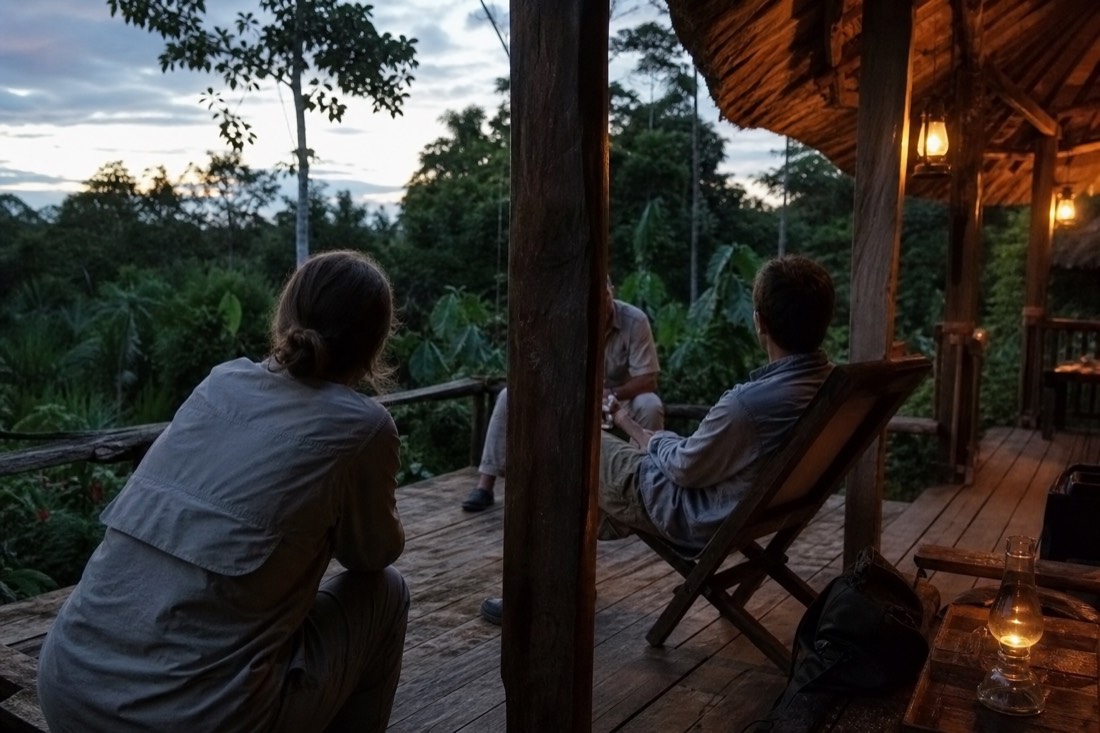
Take those reports seriously, but notice their limits. They are self-selected posters, not a study, and the same threads carry the other side: warnings about "tourist factories," fake shamans, and a scene users flat out call a "wild west." One user dropped a center from their shortlist entirely after finding "a few troubling reviews." The lesson is not that retreats are good or bad. It is that the center decides most of the outcome, and travelers who researched hard sound very different afterward from travelers who booked the first Instagram ad they saw.
What made retreats retrospectively good in those threads: an authentic lineage curandero with a decade or more of training, small groups with a high facilitator ratio, real pre-screening, genuine owner care, and integration support built in. What made them bad: no control over disruptive guests, weak dosage and safety guidance, tourist-factory scale, and no screening or aftercare.
Start with money. Verified 2026 pricing in Peru runs from about $700 for short programs to $4,440 for a 12-day retreat at Temple of the Way of Light, before international flights and days off work. Our cost guide breaks the range down.
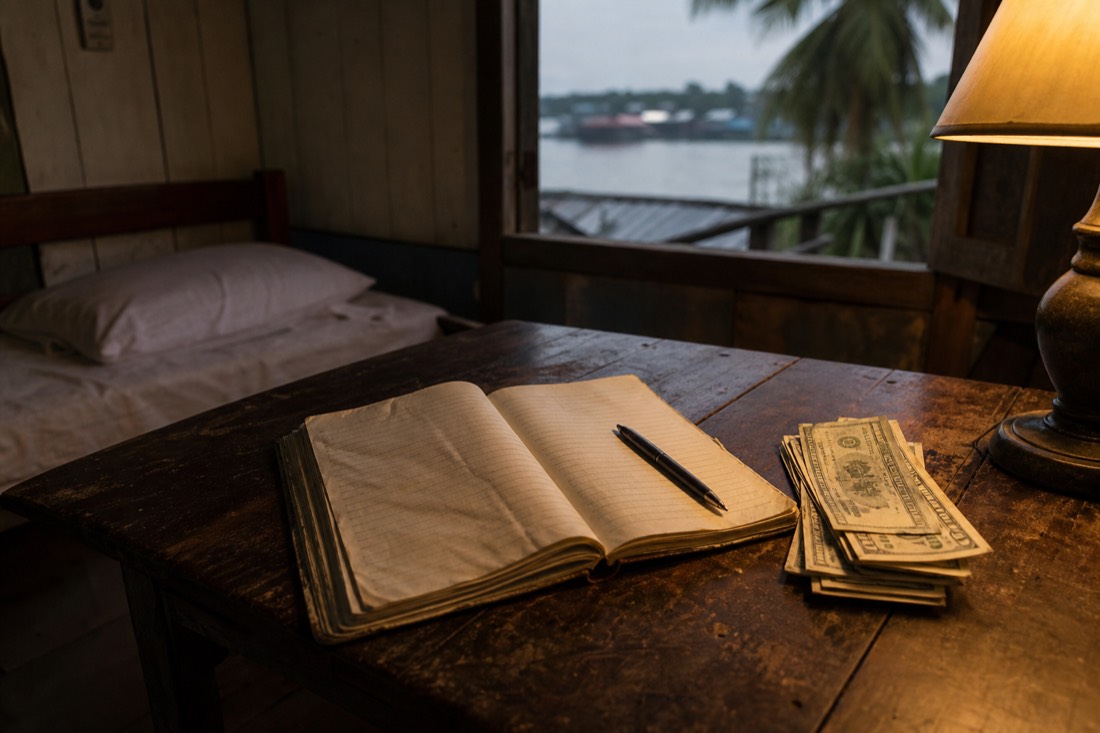
Then the harder part. Peru's retreat industry is legal for traditional use but has no government licensing of centers or shamans, and the US Embassy in Peru explicitly warns that facilities may not follow health and safety standards. Deaths are on record: an ICEERS review counted roughly 17 Peru-linked deaths between about 2010 and 2019, many at tourist-facing centers, including an 18-year-old American in 2012 and a New Zealander in 2015. Ayahuasca also has genuine medical contraindications: SSRIs and other serotonergic drugs risk serotonin syndrome, and the brew raises blood pressure and heart rate, which matters for anyone with cardiac history. If any of that might describe you, read who should avoid ayahuasca, then talk to your doctor before you talk to any retreat.
Who tends to regret it? From the voice-of-customer record: people who booked the cheapest option and got no screening and no support, people who went in psychological crisis a center should have caught, people who ended up in a 30-person group feeling alone, and people who expected one week to fix everything and flew home with no integration plan.
The controllable variables are center choice and what you do afterward. Choose a center that screens you medically before taking your money, keeps groups small, names its maestros and their lineage, and builds in rest days and integration circles. Our comparison table tracks exactly those fields across every center we researched, with a warning tier for the ones that have problems on record. Small and screened is also why AyaSelva became our featured pick: a maximum of six guests, a health questionnaire plus a personal intake call, and $1,200 for seven days, which sits well under the big-name centers.
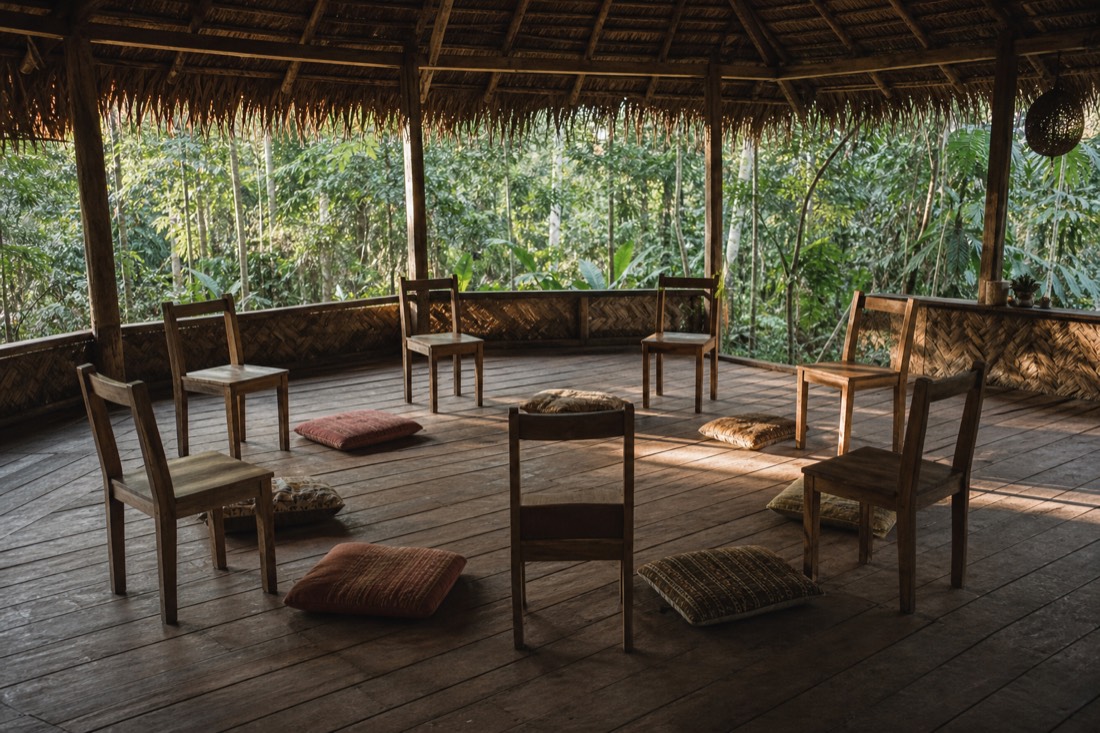
Then plan for the weeks after. The worth-it verdicts in the threads are written months later, and they track integration: journaling, sharing circles, some structure for turning a strange week in the jungle into changed behavior at home. Centers that offer it are flagged in our retreat profiles.
If you are stuck between two or three centers right now, send us your shortlist and we will tell you what our research shows on each, free and without any booking commission behind the answer.
They chose the center as if the outcome depended on it, because it does. In the threads we track, the worth-it verdicts follow named lineages, small groups, real screening and an integration plan, while the regrets follow price-first and ad-first bookings. The difference is visible before departure, not after.
Listen to how the satisfied guests describe their own decision process. The most-recommended center in the 2026 recommendation thread is Onikano, and u/ParfaitConfident3481 explains the choice in ownership terms: "I chose them because Maestro Heberto Garcia and his family personally own the land and the retreat and they have authentic Shipibo lineage." The verdict follows the diligence: "The Icaros are world class." In the same thread, u/maui_wowie236 picked Flower of Life for who runs it: "It is owned and operated by a woman and a fantastic crew who take incredible care of their guests." And in a separate thread, u/inner-fear-ance recommends Temple of the Way of Light only after shopping the whole country: "From everyone I have spoken to throughout Peru, this is one of the most carefully and professionally guided centers."
Notice what those posters did with negative signals too. One user in the 2026 thread dropped a center from their shortlist entirely after finding "a few troubling reviews," and another weighed a bad-review cluster against firsthand experience: "Onikano is very reputable and the bad reviews do not reflect my experience at all." Both behaviors are the same habit: treating reviews as evidence to be weighed, not noise. Here is the pattern, side by side:
| Habit before booking | The worth-it cluster | The regret cluster |
|---|---|---|
| How they chose | named curandero, lineage, who owns the land | price, an Instagram ad, first search result |
| Group size | asked for caps, favored 6 to 12 | discovered a 30-person group on arrival |
| Screening | completed medical intake honestly before paying | no questionnaire, or none asked of them |
| Reviews | read across Reddit, Google and directories, dropped centers on troubling signals | trusted the testimonials on the center's own site |
| The week after | planned integration time before flying out | landed straight back into work with no plan |
The gap between the brochure and the record is where most disappointment lives. The stable findings from the threads: one week fixes nothing by itself, ceremony count matters less than rest and guidance, and the group in the maloca shapes the night as much as the brew does.
| The expectation | What the record shows |
|---|---|
| One intense week will fix everything | worth-it verdicts are written months later and track integration work, not the week itself |
| More ceremonies means more healing | established centers converge on about 4 per week, with rest between nights doing real work |
| The medicine will be overwhelming | the praise at recommended centers is the opposite: "strong without being overwhelming" |
| Someone will be watching out for me anywhere I book | Peru licenses no centers and no shamans; screening and staffing vary center to center |
| The other guests will not affect my experience | disruptive participants with no staff control are one of the most repeated complaints |
| Purging is the part to fear | guests describe it as expected and managed; our purging guide covers what is normal |
| A high price guarantees a good center | price is a weak signal; screening, ratio and lineage are the strong ones |
The last row deserves the emphasis. The regret stories in the threads are rarely about the medicine. They are about containers: scale, screening, staff, and what happened after. That is why every column of our comparison table is a container question.
As a lump sum, a retreat is real money: $700 to $4,440 before flights. Broken into what it contains, a screened mid-range week runs a few hundred dollars per ceremony night with lodging, meals and staff included. Against ongoing therapy the comparison is structural, not numeric: months of weekly support versus one concentrated week.
We will not print therapy prices here, because they vary by country, insurer and format, and inventing an average would be exactly the kind of number this site refuses to make up. What we can do is show the arithmetic inside the retreat prices we hold on file, so the lump sum becomes comparable units:
| Center | Program on file | Price | Per ceremony night | Per day |
|---|---|---|---|---|
| Paojilhuasca | 8 days | from $800 | ceremony count not verified | ~$100 |
| AyaSelva | 7 days, 4 ceremonies | $1,200 | $300 | ~$171 |
| AyaSelva | 12 days, 7 ceremonies | $1,800 | ~$257 | $150 |
| Dreamglade | 5 nights to 2 weeks, 3 to 6 ceremonies | $200 to $220 per day | varies by stay | $200 to $220 |
| Blue Morpho | 6 days, typically 4 ceremonies | from $1,998 | ~$500 | ~$333 |
| Temple of the Way of Light | 12 days, intensive schedule | $4,440 | varies by program | ~$370 |
Those per-unit numbers are our arithmetic on listed prices, for planning only. The honest frame for the therapy question: they are different tools, not substitutes. Therapy spreads cost and support across months and keeps a professional in the room the whole way; a retreat concentrates the spend, the intensity and the risk into one week and then hands you back to your own life, which is why integration support keeps deciding the verdicts. And for anyone with the contraindications covered above, the comparison is moot: the medical no comes first, whatever the budget says. The full cost breakdown covers what the trip adds on top of the retreat fee.
The regret cluster is predictable enough to write down. It is people with medical contraindications a center never asked about, people in acute crisis, people who chose on price alone, and people who expected a scheduled miracle. If none of those describe you, the record turns on the center you pick.
| Your situation | The honest read |
|---|---|
| On SSRIs or other serotonergic medication | contraindicated: serotonin syndrome risk; only your prescriber can manage a washout, commonly cited at 2 to 6+ weeks |
| Heart condition or stroke history | the brew raises blood pressure and heart rate; this is a medical no until a doctor says otherwise |
| Personal or family history of psychosis, schizophrenia or bipolar disorder | not recommended per ICEERS; a serious center's screening should turn you away |
| In acute psychological crisis right now | wait; the regret stories include people who went in crisis and were not caught by screening |
| Hoping to skip the research | the "wild west" warnings in the threads are about exactly this; unvetted booking is the top regret driver |
| Uncomfortable in big groups | avoidable regret: pick a center capped at 6 to 12 rather than one hosting 20 to 30 |
| No time or appetite for integration after | postpone; verdicts written months later track the after-work more than the week |
| Healthy, screened, researched, with time protected afterward | the cluster that consistently calls it one of the most significant weeks of their lives |
The first three rows are not travel advice, they are medical facts from the safety research, and who should avoid ayahuasca covers them in full. Everything below those rows is choosable. That is the actual answer to the worth-it question: for most people the verdict is not fate, it is configuration.
More than a beach holiday, less than a life overhaul. The worth-it pattern starts about six weeks out with a doctor conversation, tightens into the dieta in the final two weeks, and continues after you land home. Skipping steps does not cancel the retreat; it quietly moves you toward the regret cluster.
| When | The work | Why it earns its place |
|---|---|---|
| 6+ weeks out | talk to your doctor, review every medication; any SSRI washout happens only under medical supervision, on a 2 to 6+ week timeline | the gravest risks are pharmacological and cannot be fixed at the airport |
| 4 weeks out | shortlist centers, submit screening questionnaires honestly, check lineage and reviews against how to spot a fake shaman | the center decides most of the outcome; this is the highest-value week of the whole process |
| 2 weeks out | start the dieta: no alcohol or recreational drugs, no pork, reduced salt, sugar and oil | centers ask for lead time because the food and substance rules carry the medical weight |
| Final week | logistics with slack: land a day early, keep the return flexible | jungle flights slip, and integration days matter more than the original return date |
| The retreat itself | rest between ceremonies, use the sharing circles, keep nothing from the facilitators | the record's good weeks pair strong medicine with strong holding |
| Weeks after | journal daily, keep a gentle diet, work the integration plan you made before leaving | this is where "worth it" actually gets decided, by the record's own testimony |
Luis Quispe has supported international guests in Peru since 2022 and facilitated retreat experiences since 2023, more than 1,000 participants by his own count, mostly on the logistics and screening side where unpreparedness shows up first. His observation is blunt: the guests who struggle are rarely surprised by the medicine. They are surprised by everything around it.
| What unprepared looks like | How it shows up during the week | The fix |
|---|---|---|
| The dieta started on the plane | a rougher first ceremony and avoidable nausea from late food and alcohol compliance | start when the center says, usually two weeks out, not two days |
| Medications mentioned only on arrival | a facilitator forced to choose between turning a guest away and accepting risk | full disclosure on the questionnaire, before anyone books anything |
| A return flight the morning after the last ceremony | the quietest, most useful day of the retreat spent in a mototaxi to the airport | build a rest day at the end; it is the cheapest day of the trip |
| No idea what the center actually included | surprise costs and friction over transfers and town nights | read the inclusions list line by line; the cost guide shows what to check |
| A plan that ends at the airport | strong week, hard landing, and the insights fading by the following month | write the integration plan before departure, when motivation is at its peak |
None of this requires being a veteran. It requires taking the retreat as seriously as its price tag suggests, several weeks before the first ceremony. That preparation effort is itself a good self-test: if the checklist above feels like too much, that is a signal about timing worth listening to.
Centers our research points to for this topic. Nobody pays for placement; every card links our full, sourced review.
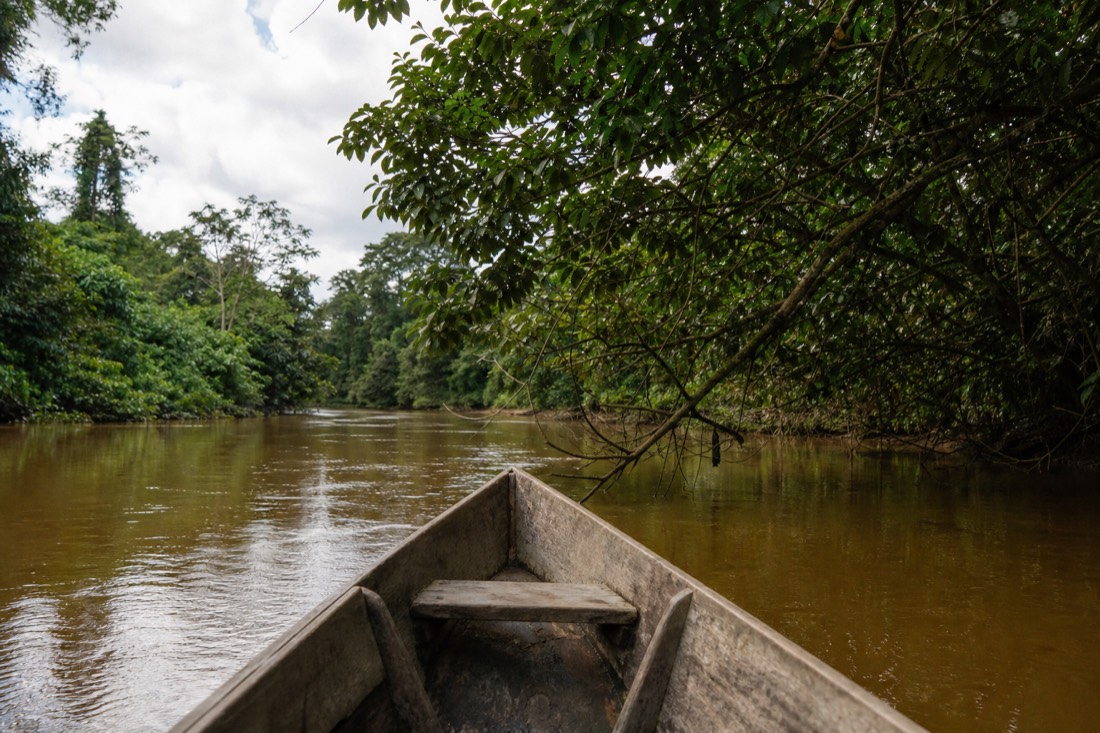
Iquitos / Amazon$1,200–$1,8007 or 12 daysmax 6 guests
★ 5 across 29 Google reviews
Publishes real medical screening detail
Read the full review →Iquitos / Amazonfrom $4,44012-day flagship; multi-week intensivesgroups of around 20
★ 4.8 across 94 AyaAdvisors
Publishes real medical screening detail
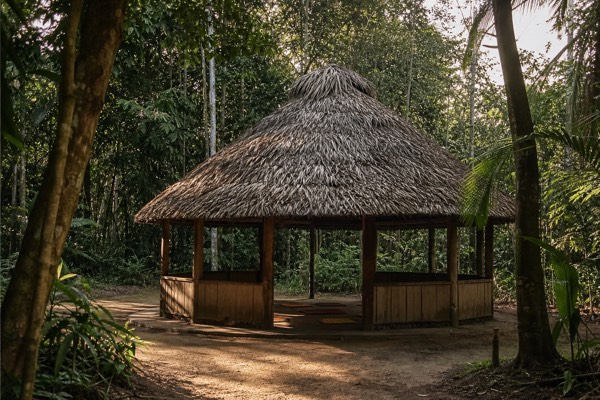
Read the full review →Iquitos / Amazon$545–$4,7255, 7, 8, or 10 days, customizable
★ 4.9 across 154 TripAdvisor
Confirmed operating in 2026
Read the full review →Verified 2026 pricing runs from roughly $700 for short programs to $4,440 for a 12-day retreat at Temple of the Way of Light. Mid-range examples: AyaSelva at $1,200 for 7 days all-inclusive, Ayahuasca Foundation at $2,950 for 10 days. See the full cost guide.
There is no single number. Common verified formats run 3 to 7 ceremonies over 5 to 12 days, and Reddit users often argue for longer stays, with some suggesting 10 to 14 days. More ceremonies are not automatically better; screening, guidance and rest between nights matter more than the count.
Treat that as a medical question first, not a travel question. Retreat centers are not medical facilities, several psychiatric conditions and common antidepressants are contraindicated, and no center can promise outcomes. Read who should avoid ayahuasca and talk to your doctor before considering a booking.