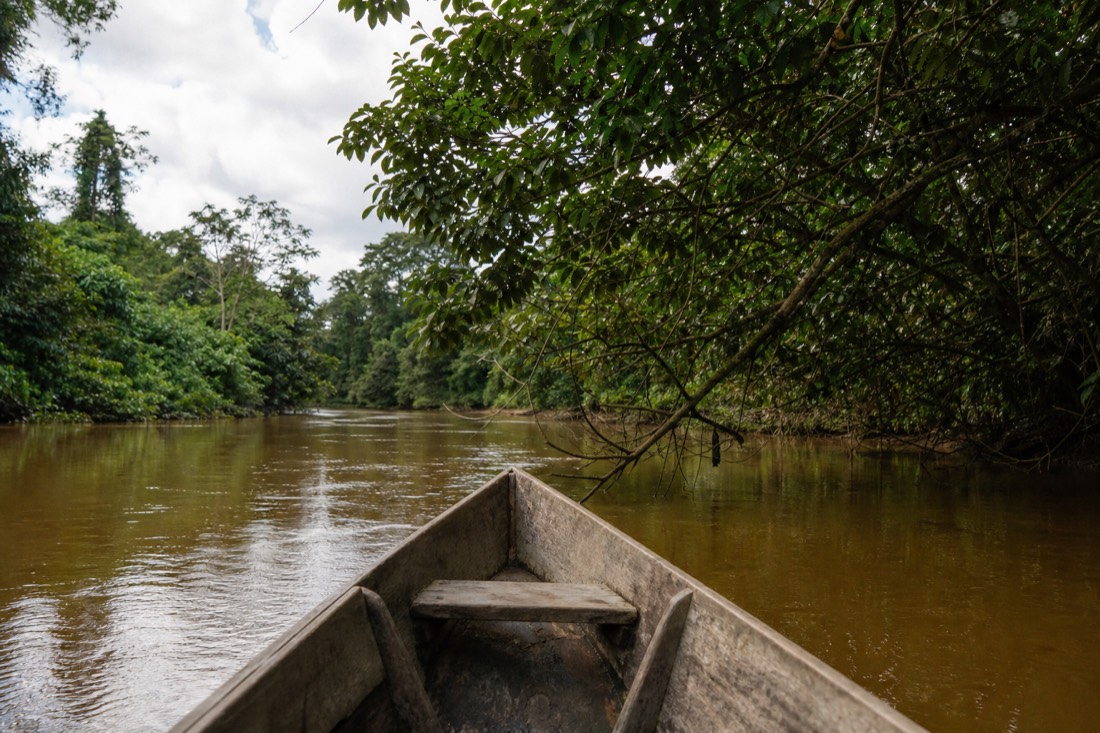
Iquitos / Amazon$1,200–$1,8007 or 12 daysmax 6 guests
AyaSelva Our pick
★ 5 across 29 Google reviews
Publishes real medical screening detail
Read the full review →A plain definition: a multi-day stay at a center built around guided ceremonies, with preparation diet, rest days and integration. What a real one includes.
 Written with Luis Quispe, Peru-based retreat facilitator
Short answer
An ayahuasca retreat is a multi-day stay at a dedicated center built around guided ayahuasca ceremonies, wrapped in a preparation diet, rest days between ceremony nights, and integration support afterward. In Peru it is usually led by a curandero trained inside a living tradition, most often Shipibo or Mestizo lineages, with verified programs commonly running 5 to 12 days with 3 to 7 ceremonies at roughly $700 to $4,440 all-inclusive. That structure, screening before and support after, is what separates a retreat from a one-off ceremony.
The word "retreat" undersells what actually happens. You are not booking a wellness weekend with one unusual activity. You are entering a structured container that a good center has spent years refining: what you eat before you arrive, who checks your medical history, what happens on ceremony nights, and who talks you through it all afterward.
A single ceremony is one night of drinking the brew under someone's guidance. You can find one-off ceremonies all over Peru, in hostels, urban apartments and pop-up venues, and this is where risk concentrates. The one recent death in our research record, an American tourist in June 2025, happened during a ritual at a hostel in Loreto, not at a structured retreat center. One-night sellers rarely screen anyone, and there is no one around you the next morning.
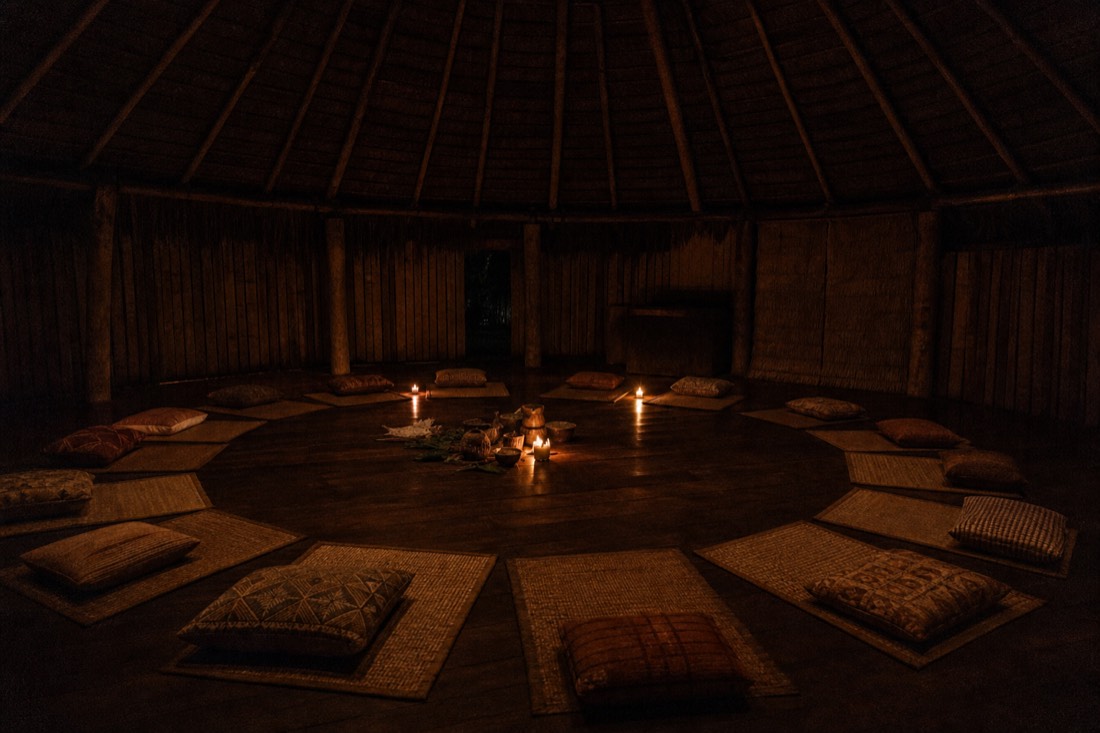
A retreat wraps ceremonies in structure. Before you arrive: a preparation diet and, at serious centers, a medical questionnaire covering medications and psychiatric history. During: multiple ceremonies spaced across days, with rest, food prepared to the diet, and facilitators on site. After: sharing circles and some form of integration support. The ceremonies are the visible part; the structure around them is what you are actually paying for.
Verified Peru programs cluster between 5 and 12 days. Concrete examples from our research: AyaSelva near Iquitos runs 7 days with 4 ceremonies at $1,200 or 12 days with 7 ceremonies at $1,800, all-inclusive with a maximum of six guests. Dreamglade offers 5 nights to 2 weeks at roughly $200 to $220 per day with ceremonies on a Monday, Wednesday, Friday rhythm. Ayahuasca Foundation's 10-day Renewal program is $2,950. At the top end, Temple of the Way of Light runs multi-week intensives, with a 12-day flagship listed at $4,440.
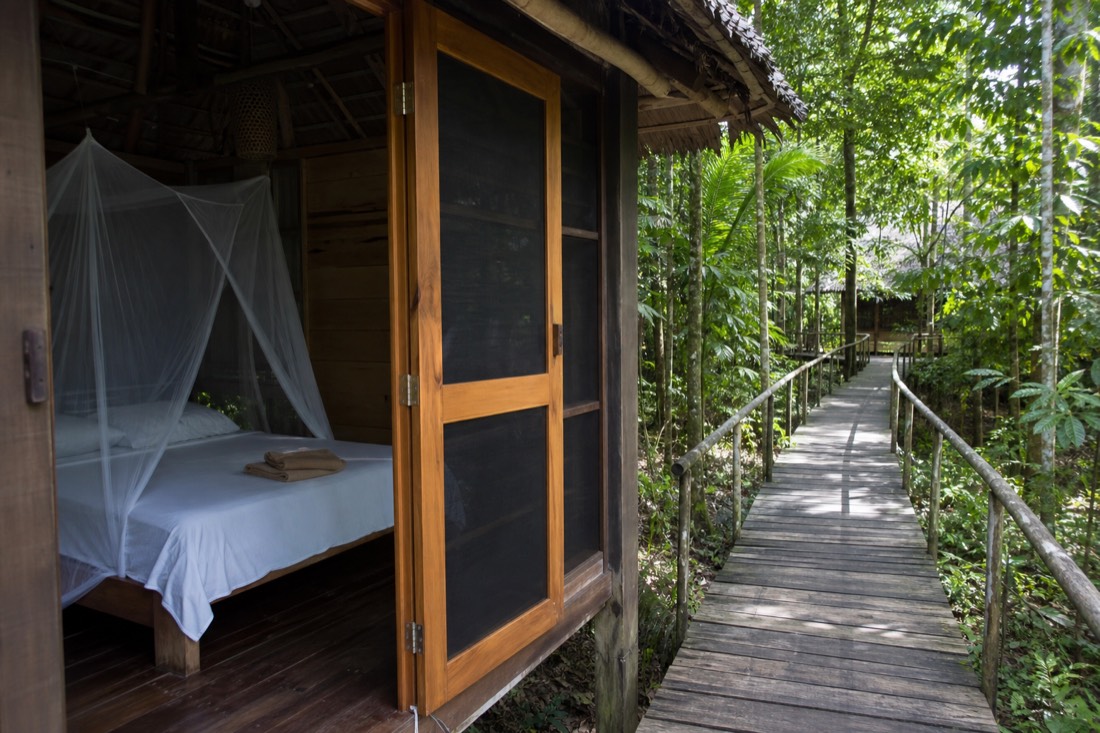
Notice what varies: length, ceremony count, group size (six guests at the small family centers, around twenty at the biggest), and price. The full comparison table puts every researched center side by side, and the cost guide explains why prices spread so widely. If reading tables is not how you want to spend your evening, tell us your dates and budget and we will shortlist for you, free.
Across everything we verified, legitimate centers share the same skeleton. Medical and psychological screening before booking is confirmed, because ayahuasca has real contraindications: SSRIs, MAOIs, serious heart conditions and psychosis history among them. A preparation dieta, the restricted diet that starts before arrival, which we unpack in the dieta explained. Night ceremonies led by a named curandero or maestra singing icaros, with sober facilitators present. Rest days with quiet activities, often plant baths and jungle walks. And integration sessions before you fly home.
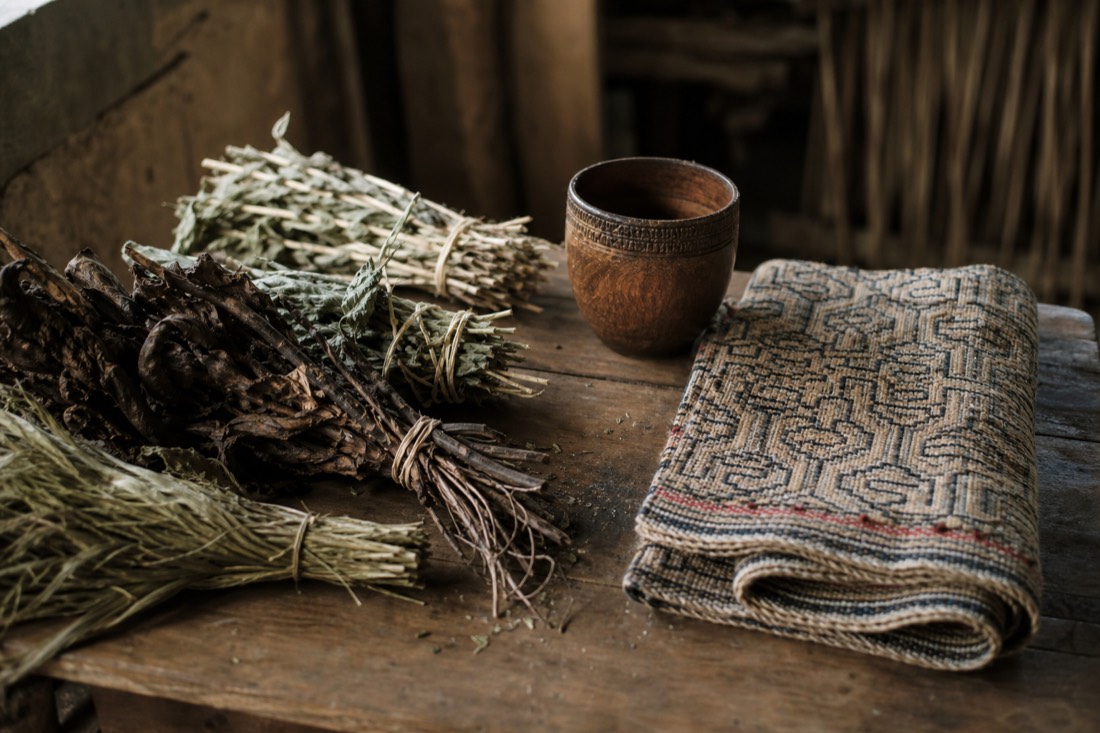
In Peru the person leading ceremony usually comes from a living tradition: Shipibo healing families like those behind Nihue Rao, or Mestizo curanderos like AyaSelva's Arnaldo, raised in Tamshiyacu. Knowing who is holding the space, by name and lineage, is one of the strongest legitimacy signals there is, and it is the subject of its own guide: how do you know if a shaman is legitimate. For a night-by-night picture of the experience itself, see what happens at an ayahuasca retreat.
A retreat wraps several ceremonies in screening, dieta, rest and integration across 5 to 12 days. A single ceremony is one night, usually unscreened, and it is where the documented risk concentrates. A church congregation is ongoing religious practice for members, not a format a traveler books. For a first-timer flying to Peru, only the retreat is built for you.
| Single ceremony | Retreat | Ayahuasca church | |
|---|---|---|---|
| Duration and rhythm | One night | 5 to 12 days is the verified norm, ceremonies spaced with rest nights | Ongoing congregational practice with regular services |
| Who runs it | Whoever sold it: hostels, urban apartments, pop-up venues | A named center with a named curandero and sober facilitators | A religious community with its own liturgy and rules |
| Screening | Rarely any | Serious centers require a medical questionnaire, and the best add human review | Membership-based; varies by congregation |
| Support afterward | None; there is no one around you the next morning | Sharing circles and integration sessions are part of the design | The community itself, for members who stay |
| Legal and risk picture | Legal in Peru but the risk lives here: the one recent death on our record happened at a hostel ritual in Loreto | Same legal footing, unlicensed but checkable through reviews, lineage and screening | Outside our research scope; the legal status of congregations varies country by country |
| Right for | Nobody, as an entry point | First-time international guests, which is why this site exists | Committed members, not visiting travelers |
The middle column is what this guide describes, and the comparison explains a pricing puzzle too: a $50 hostel night and a $1,200 retreat week are not the same product at different prices. They are different products, and only one of them includes someone whose job is to say no to you when the medicine does not fit your health.
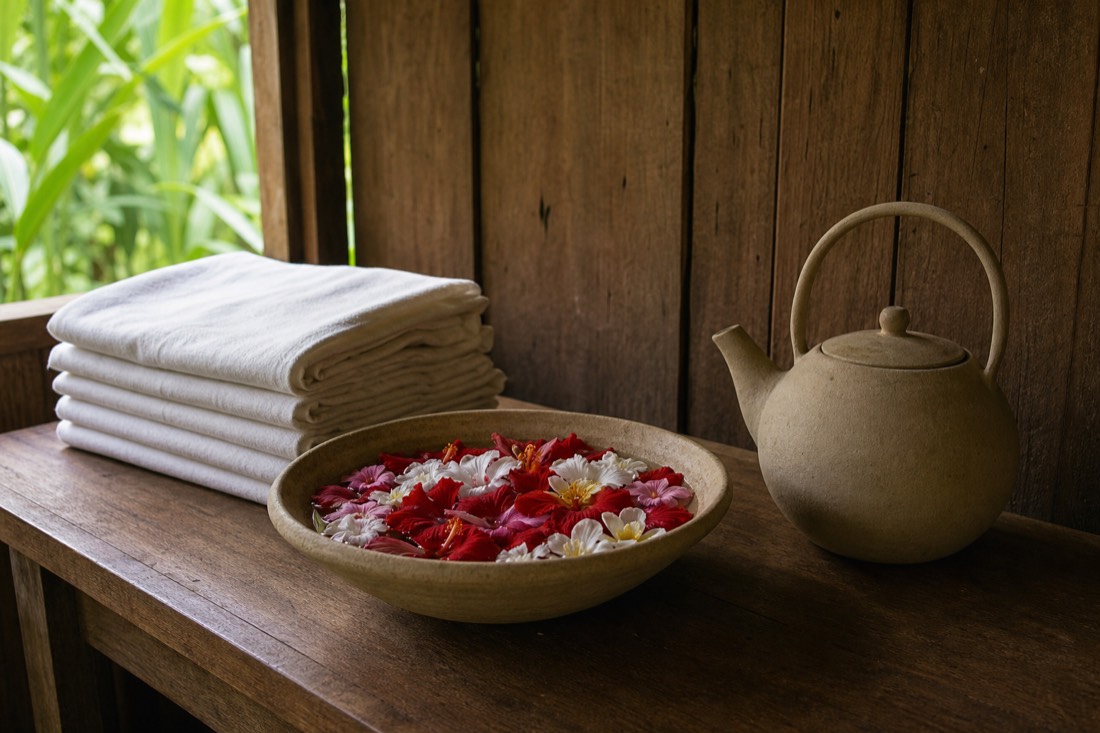
Six components, in sequence: medical screening before booking, a preparation dieta, ceremonies led by a named healer, sober support in the room, rest days between ceremony nights, and integration before you fly. The centers in our research publish these to very different depths, and that transparency gap is itself a signal worth reading.
| Component | What it should look like | Who publishes it, from our research file |
|---|---|---|
| Medical screening | Questionnaire plus human review, before any deposit | Temple of the Way of Light: ICEERS-developed questionnaire reviewed by a licensed doctor and psychologist. AyaSelva: health questionnaire plus a personal intake call, with a published contraindication list. Etnikas: doctor-reviewed questionnaire and a medical team. Takiwasi: a formal inscription process covering medical and psychological conditions |
| Preparation dieta | Food rules that start before arrival and continue through the stay | AyaSelva serves diet-compliant meals; Takiwasi runs a strict no-salt dieta; AYA Healing Retreats and Nihue Rao build programs around master plant dietas |
| Named lineage | A curandero you can name and place | AyaSelva's Arnaldo, raised in Tamshiyacu; Dreamglade's Maestra Dominga and Maestro Raul; the Amaringo and Munoz families behind Nihue Rao |
| Sober support in ceremony | Facilitators who are not drinking; medical staff at some centers | Etnikas states a doctor is present during ceremonies, with an emergency nurse on the team and a contract with Cusco clinics |
| Rest rhythm | Ceremonies spaced, never nightly | AyaSelva runs 4 across 7 days; Dreamglade holds ceremonies Monday, Wednesday and Friday |
| Integration | Structured talking before departure, ideally follow-up after | AyaSelva includes sharing and integration sessions; Takiwasi wraps its 8-day dieta in four psychologist interviews; Etnikas offers psychologist follow-up calls |
Use the table as a question list. A center does not need to match Temple's screening budget, but it does need an answer for every row, and "we trust the medicine" is not an answer.
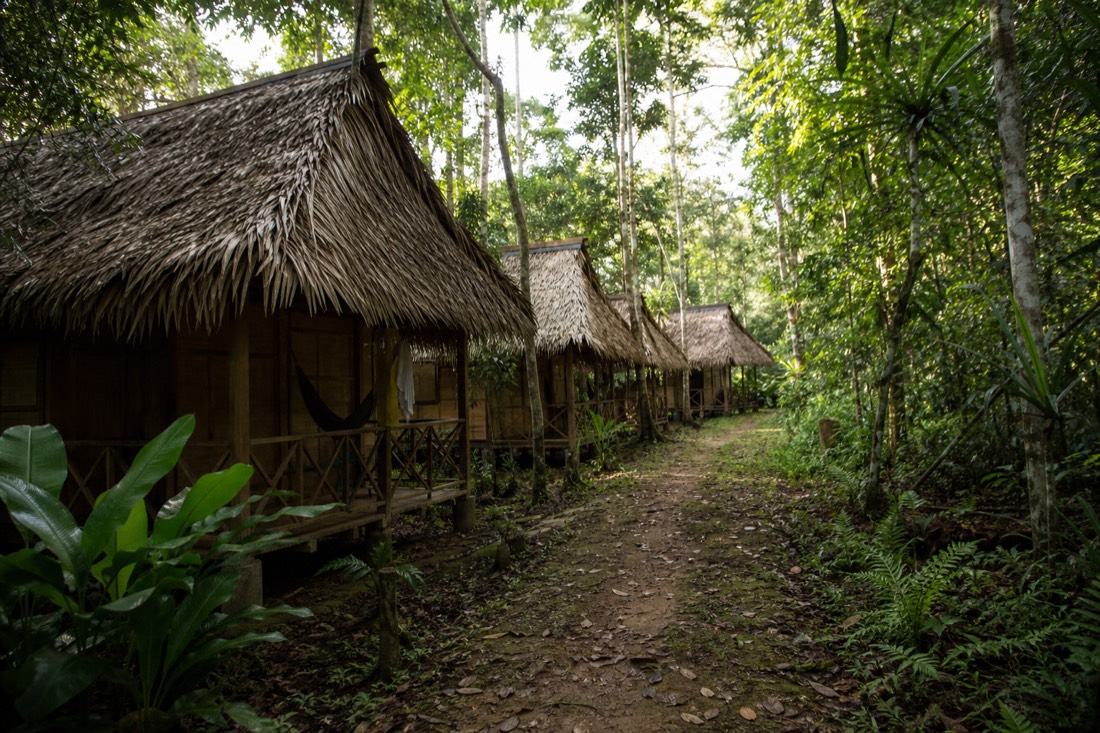
Most verified Peru programs run 5 to 12 days, and 7 days with 3 to 4 ceremonies is the most common first-timer format on our file. Shorter works when the center is rigorous; longer buys more rest between ceremonies, which experienced drinkers value more than beginners expect to.
| Length | Real examples with prices on file | The trade-off |
|---|---|---|
| 3 to 4 days | Etnikas 3-day from $700 with 2 ceremonies; Ayaymama Mystic 4-day from $750 | The cheapest entry, with the least room to rest and process |
| 5 to 6 days | Etnikas 5-day from $1,100 with 3 ceremonies; Dreamglade from 5 nights at about $200 to $220 per day; Caya Shobo 6-day from $1,580 | A real container that still fits a normal vacation clock |
| 7 days | AyaSelva $1,200 with 4 ceremonies; Willkamayuspirit $1,377; Etnikas 7-day $1,700 to $1,900 including a Machu Picchu visit | The standard first-timer format for a reason |
| 8 to 10 days | Paojilhuasca 8-day from $800; Takiwasi 8-day dieta about S/ 5,000 with one ceremony plus master plants; Psychonauta Foundation 10-day from $1,250; Ayahuasca Foundation 10-day $2,950 | Deeper work and more rest, for more of your calendar |
| 11 to 12 days | AYA Healing Retreats 11-day $3,100 with 5 ceremonies; AyaSelva 12-day $1,800 with 7 ceremonies; Temple of the Way of Light 12-day flagship $4,440 | The flagship tier, where ceremony counts reach 5 to 7 |
| Weeks to months | Nihue Rao master plant dietas run to 3 months and beyond | Specialist territory, not a first trip |
Notice that price does not climb the ladder in lockstep: AyaSelva's 12 days cost less than several 5-day programs, and Takiwasi charges mid-range money for one ceremony because you are paying for psychologists, not ceremony count. How many ceremonies you actually need is its own question, and Reddit's first-timer threads ask it constantly; ceremony count, group size and rest rhythm all sit side by side in the comparison table.
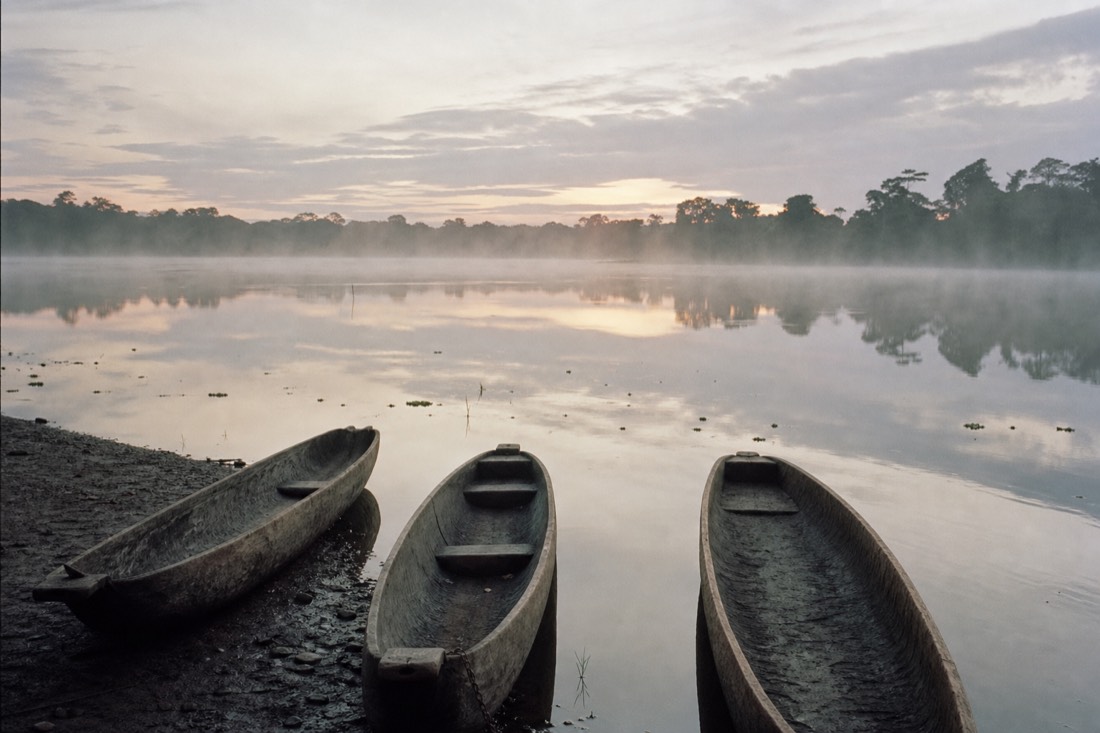
Four working models cover nearly every legitimate Peru retreat: Shipibo family lineages from the Ucayali, Mestizo curanderismo from the Loreto river towns, the Andean-blended format around Cusco, and the clinical-therapeutic model built at Takiwasi in Tarapoto. Each answers "who is responsible for you" differently.
| Model | What it looks like in ceremony | Home ground | Researched examples |
|---|---|---|---|
| Shipibo / Shipibo-Conibo | Icaros carried by healing families, often with master plant dietas around the ceremonies | Ucayali river country around Pucallpa and Yarinacocha | Temple of the Way of Light, Nihue Rao, Dreamglade, Niwe Rao Xobo |
| Mestizo curanderismo | A curandero raised in the tradition of the Loreto river towns, brew cooked on family land | Tamshiyacu and the villages around Iquitos | AyaSelva, where Arnaldo works in the town that raised him |
| Andean-blended | Amazonian medicine paired with highland practice and, at Etnikas, medical staff in the room | Cusco and the Sacred Valley | Etnikas, pairing Shipibo healers with Qero healers from the highlands |
| Therapeutic-clinical | Psychologist interviews wrapped around one ceremony and master plants; addiction treatment is the specialty | Tarapoto | Takiwasi, founded by a French psychiatrist, its addiction program recognized by Peru's Ministry of Health |
No model is "the real one" and the others copies; they answer different needs. What matters is that the center can tell you plainly which tradition it works in and who taught the person singing. The deeper background is in our pieces on Shipibo lineage and icaros and the Tarapoto and Pucallpa region.
Not a spa week, not a medical detox, not supervised drug tourism, not a replacement for psychiatric care, and not a guaranteed transformation. Centers that sell any of those framings are describing something other than what the verified programs on our file actually deliver.
| The expectation | The reality at a legitimate center |
|---|---|
| "A wellness holiday with one wild night" | Restricted food, early nights, purging, and days that are deliberately quiet; comfort is traded for the work |
| "A medical detox" | Retreat centers are not hospitals. Takiwasi's addiction treatment is a separate months-long residential program, not a retreat add-on |
| "A guided party" | Serious centers screen precisely to keep this out, and remove alcohol and other substances entirely |
| "A replacement for my psychiatrist" | Integration supports care at home; it does not substitute for it, and no center should tell you to stop medication. That decision belongs to your prescriber |
| "A guaranteed healing" | No verified center on our file promises outcomes, and a promised outcome is one of the clearest warning signs in our fake shaman guide |
| "Bookable like a hotel" | Real screening can reject you. A center that takes every deposit is not screening |
The boundary that matters most is the medical one. This site's standing rule: never stop or taper medication for a retreat without your own doctor, whatever a center's calendar says. The full contraindication picture is in who should avoid ayahuasca.
Shortlist, inquire, screen, review medications with your own doctor, pay the deposit, start the home dieta, then travel. The screening and medication stages set the real timeline: ICEERS-derived guidance puts SSRI washout at 2 to 6+ weeks under medical supervision, so serious bookings start one to two months out, not one week.
| Stage | What happens | Planning allowance |
|---|---|---|
| 1. Shortlist | Compare price, screening, group size and lineage side by side | As long as it takes; the comparison table exists for this step |
| 2. Inquiry | Centers answer by email or WhatsApp; small family centers respond slower, and inquiry-only pricing is normal around Pucallpa and Tarapoto | Days, sometimes longer |
| 3. Screening | Health questionnaire, and at the better centers a personal call; AyaSelva runs both | Before any money moves |
| 4. Medication review | Your own doctor, not the center, decides what is safe to change | Start 1 to 2 months out; SSRI washout runs 2 to 6+ weeks supervised |
| 5. Deposit | Terms vary center to center and were not consistently published in our research | Get cancellation terms in writing before paying |
| 6. Home dieta | Food restrictions begin before you arrive | Days to weeks, per the center's instructions |
| 7. Travel | Lima, one domestic connection, a night in town, then the center's pickup and boat for jungle programs | Two buffer days, plus a flexible return |
| 8. The retreat and after | Spaced ceremonies, rest days, then integration sessions before departure | The 5 to 12 days, protected from your inbox |
Two stages deserve a flag. Stage 3 is where a good center earns its fee before you ever arrive: if nobody asks about your medications and psychiatric history, stop, whatever the price. And stage 5 is where surprises live, because deposits are where vague terms get expensive. If a center's answers at either stage feel off and you want a second opinion before you commit, send us the exchange and we will read it with you, free.
Luis Quispe has supported international guests in Peru since 2022 and facilitated retreat experiences since 2023, more than 1,000 participants by his own count, and most of them arrived as complete beginners. So he has had years of practice compressing this whole guide into a first conversation.
His explanation starts by moving the ceremony out of the center of the picture. A retreat, as he puts it to new guests, is mostly the quiet parts: the food, the rest days, the walks, the talking. The ceremony nights are the visible peaks, but the structure around them is what guests are actually buying, and the structure is what beginners consistently undervalue when they compare a retreat against a cheap one-night offer.
The second thing he moves is the timeline. Beginners think the retreat starts at the airport pickup. In his telling it starts weeks earlier, with the screening questionnaire and the home dieta, and it ends weeks later, when the integration conversations have had time to settle into ordinary life. The days at the center are the middle of the process, not the whole of it.
And the last thing he tells first-timers to sort out is expectations: come with a question you are carrying, not an outcome you are owed. The guests who struggle most, in his experience, are the ones who arrive grading the experience against a story they read online. The ones who do well treat the week as work in unfamiliar conditions, which is what it is.
Centers our research points to for this topic. Nobody pays for placement; every card links our full, sourced review.
Iquitos / Amazon$1,200–$1,8007 or 12 daysmax 6 guests
★ 5 across 29 Google reviews
Publishes real medical screening detail
Read the full review →Iquitos / Amazonfrom $1,6007 days to 3+ months
rating not on file yet
Confirmed operating in 2026
Read the full review →Cusco / Sacred Valleyfrom $1,1005 daysup to 18 guests
★ 4.4 across 71 Google reviews
Publishes real medical screening detail
Read the full review →Most verified Peru programs run 5 to 12 days. Short 3 to 4 day formats exist, and some centers offer multi-week intensives or master plant dietas lasting a month or more. The ceremony effects themselves last around 4 to 6 hours a night; see how long a trip lasts.
No. Ceremonies are spaced with rest nights between them: 4 ceremonies across 7 days is a typical rhythm, and Dreamglade, for example, holds ceremonies three nights a week. The off nights are for sleep, food and processing, and they are part of the design.
The preparation diet: simple food with restrictions that start before arrival and continue through the retreat. It has a pharmacological side, since the brew contains MAO inhibitors that interact with certain foods, and a traditional side as an act of discipline and respect. Full detail in our dieta article.
Yes, most guests at Peru centers are first-timers, and good centers are built for that: screening, preparation calls, small groups and close guidance. What matters is passing medical screening honestly; start with who should avoid ayahuasca.